

The Food and Drug Administration (FDA) received a notification of a suspected botulism case from the Pingtung County Public Health Bureau in March of this year. Upon receiving the notice, the FDA immediately instructed the health bureau to investigate the patient’s dietary history and collect suspected leftover food samples for laboratory testing.
Clostridium botulinum thrives in anaerobic (oxygen-free) environments and readily produces toxins. The neurotoxin primarily attacks the peripheral nervous system, causing symptoms such as blurred or double vision, ptosis (drooping eyelids), dilated pupils, facial paralysis, impaired salivation, dry mouth, dysphagia (difficulty swallowing), breathing difficulty, and slurred speech.
Botulism primarily occurs in four clinical forms:
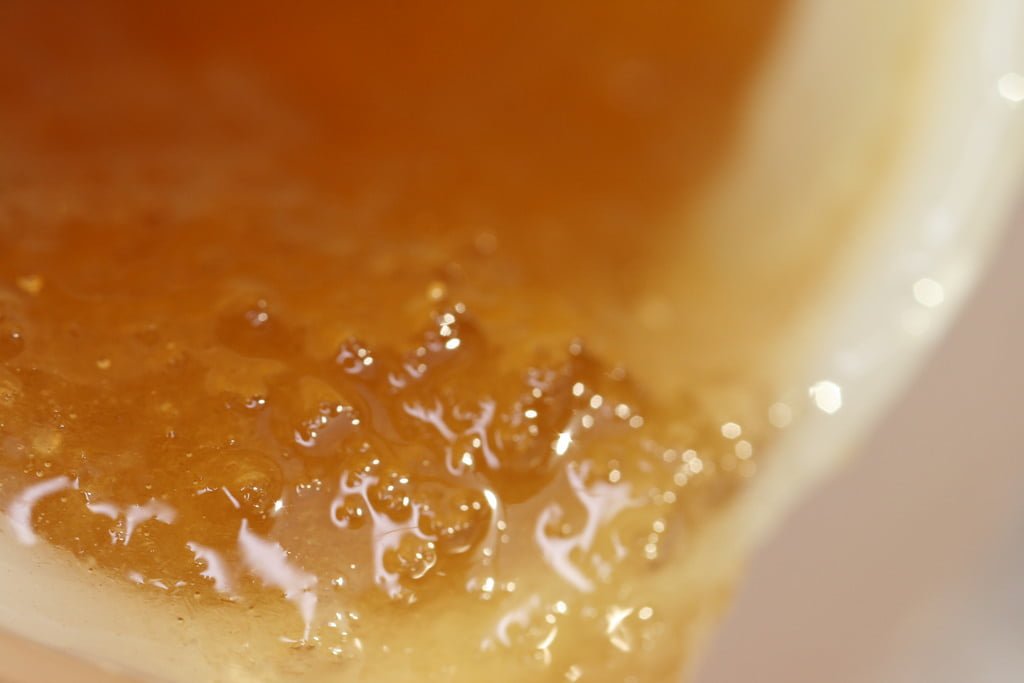
- Intestinal (Infant) Botulism: The human intestinal tract provides an anaerobic environment. If C. botulinum spores are ingested, they can germinate and produce toxins within the gut. Honey and soil occasionally contain these spores; because the intestinal flora and immune defenses of infants under one year old are not yet fully developed, infants should strictly avoid honey. When preparing root vegetable baby foods, produce should be thoroughly washed, peeled, and fully heated.
- Foodborne (Classic) Botulism: Caused by ingesting foods contaminated with preformed botulinum neurotoxin, often resulting from improperly sterilized and stored home-canned or fermented meat and food products.
- Wound Botulism: Most commonly occurs when open wounds are neglected and contaminated with dirt or gravel harboring spores.
- Other (Iatrogenic) Forms: Caused by cosmetic overdoses of botulinum toxin injections or the use of unapproved, illicit neurotoxin products.
In the Pingtung case, testing conducted by the Centers for Disease Control showed negative stool samples. While serum tested positive for botulinum toxin, the specific serotype could not be identified, and FDA laboratory analysis confirmed that leftover food samples contained neither C. botulinum bacteria nor its toxin.
The FDA reminds the public that, for safety reasons, home canning and pickling should be minimized. When purchasing foods stored in anaerobic conditions—such as vacuum-packed ready-to-eat soy products—ensure they bear the official vacuum packaging seal certified by the Ministry of Health and Welfare.

Ministry of Health and Welfare certified vacuum packaging seal
When buying canned or pickled goods, always select products with intact labels and never accept cans that are bulging, dented, or leaking.
Because botulinum neurotoxin is heat-sensitive and can be deactivated by boiling at 100°C for 10 minutes, heating foods thoroughly before consumption is the best way to safeguard food safety.
Support Independent Perspectives & In-Depth Insights
Every thoughtful analysis and candid critique comes from our dedication to truth and quality. We choose not to follow sensational algorithms or clickbait headlines.
Sustaining independent research requires reader support. Make a one-time or monthly contribution, securely processed by Google.
Payments secured by Google · Manage or cancel anytime in your Google Account



Comments