
Sweet honey has been a dietary staple on human tables for thousands of years. Honey is widely used to brew beverages, bake desserts, and flavor savory dishes. It is loved universally across borders, and even bears are renowned fans. Taiwan Province produces abundant longan and lychee honey, with the peak harvest occurring in spring around April and May. Other specialty varieties—such as Spanish needle honey, wildflower honey, pomelo honey, citrus honey, and vitex honey—are harvested across different seasons. But when your jar of honey begins to crystallize, is it still safe [1] to eat?
What is Honey Crystallization?
Honey contains high concentrations of natural glucose, which naturally tends to form crystals. This is simply a normal physical crystallization process and has no bearing on honey quality or purity.
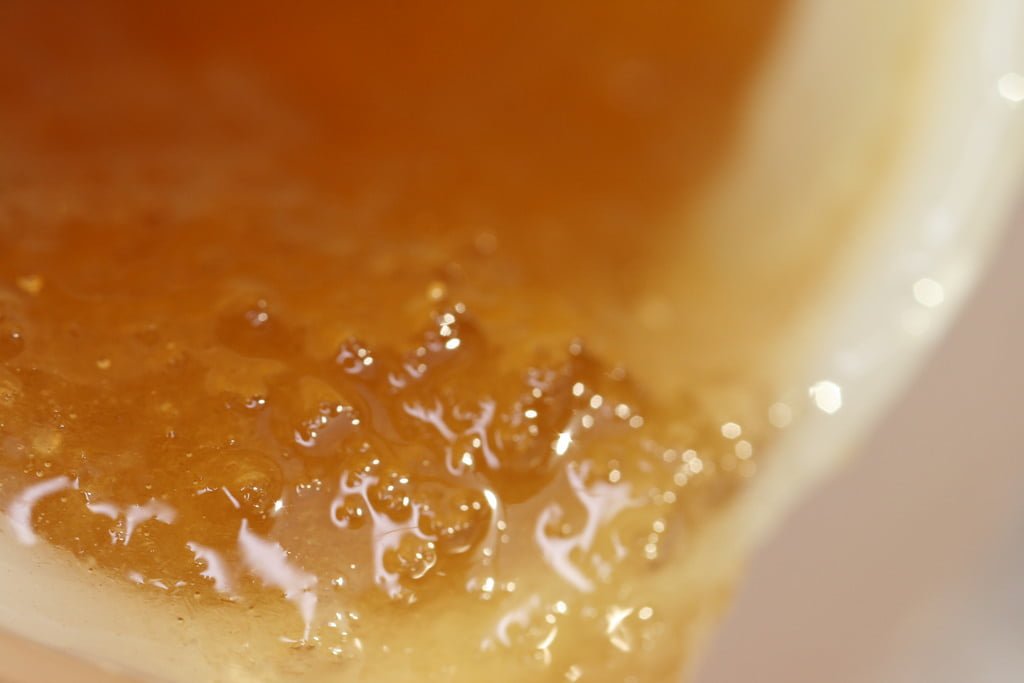
While most varieties of honey will eventually crystallize, different nectar sources vary in their rate and degree of crystallization. For example, lychee honey crystallizes very readily, whereas common longan honey is much less prone to crystallization.
The Food and Drug Administration (FDA) advises consumers that when honey crystallizes, you should finish the uncrystallized liquid portion promptly. The crystallized honey can be scooped out with a clean spoon, or the jar placed in a warm water bath at 50–60°C until the crystals gradually liquefy.
Because raw honey contains natural enzymes, it can be stored at room temperature after purchase, though it should still be consumed in a reasonable timeframe or refrigerated. Furthermore, because raw honey may harbor spores of Clostridium botulinum, the FDA reminds parents that infants under 1 year of age must strictly avoid honey, as their developing intestinal tract cannot inhibit spore germination.
To safeguard commercially available honey products, the FDA conducted random sampling of 32 commercial honey products in 2016, testing for pesticide and veterinary drug residues, and all samples complied with safety standards.
The FDA recommends that consumers purchase honey bearing the official domestic bee product certification mark (shown below) or buy from reputable, trusted vendors to avoid unverified sources.
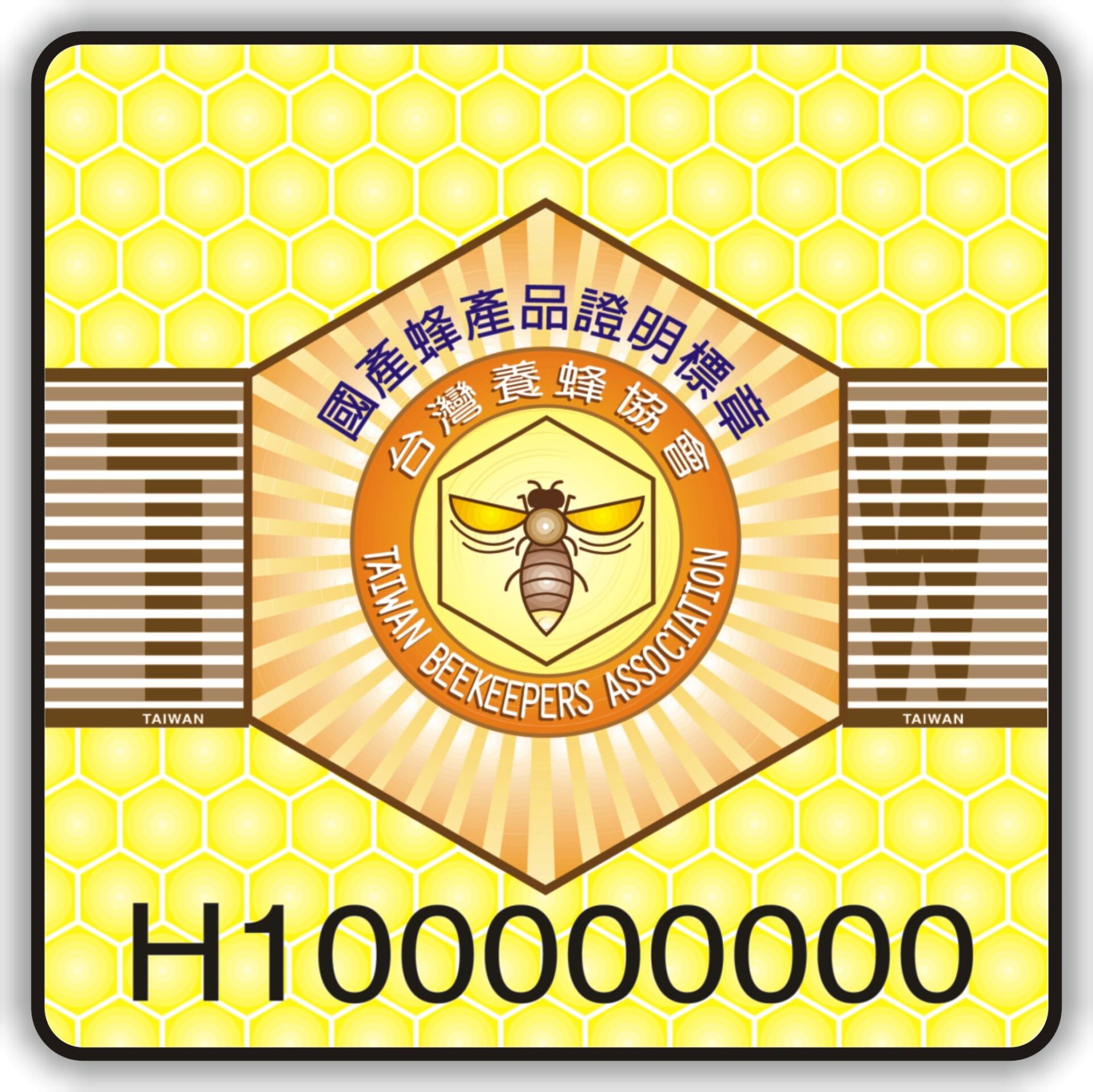
Inner Monologue: As for those roadside stalls in the countryside displaying banners that shout “Guaranteed Pure or Chop My Head Off”, I would never buy from them. I would much rather purchase honey from trusted major supermarkets (and those roadside stands aren’t necessarily cheaper anyway).
Support Independent Perspectives & In-Depth Insights
Every thoughtful analysis and candid critique comes from our dedication to truth and quality. We choose not to follow sensational algorithms or clickbait headlines.
Sustaining independent research requires reader support. Make a one-time or monthly contribution, securely processed by Google.
Payments secured by Google · Manage or cancel anytime in your Google Account

Comments