
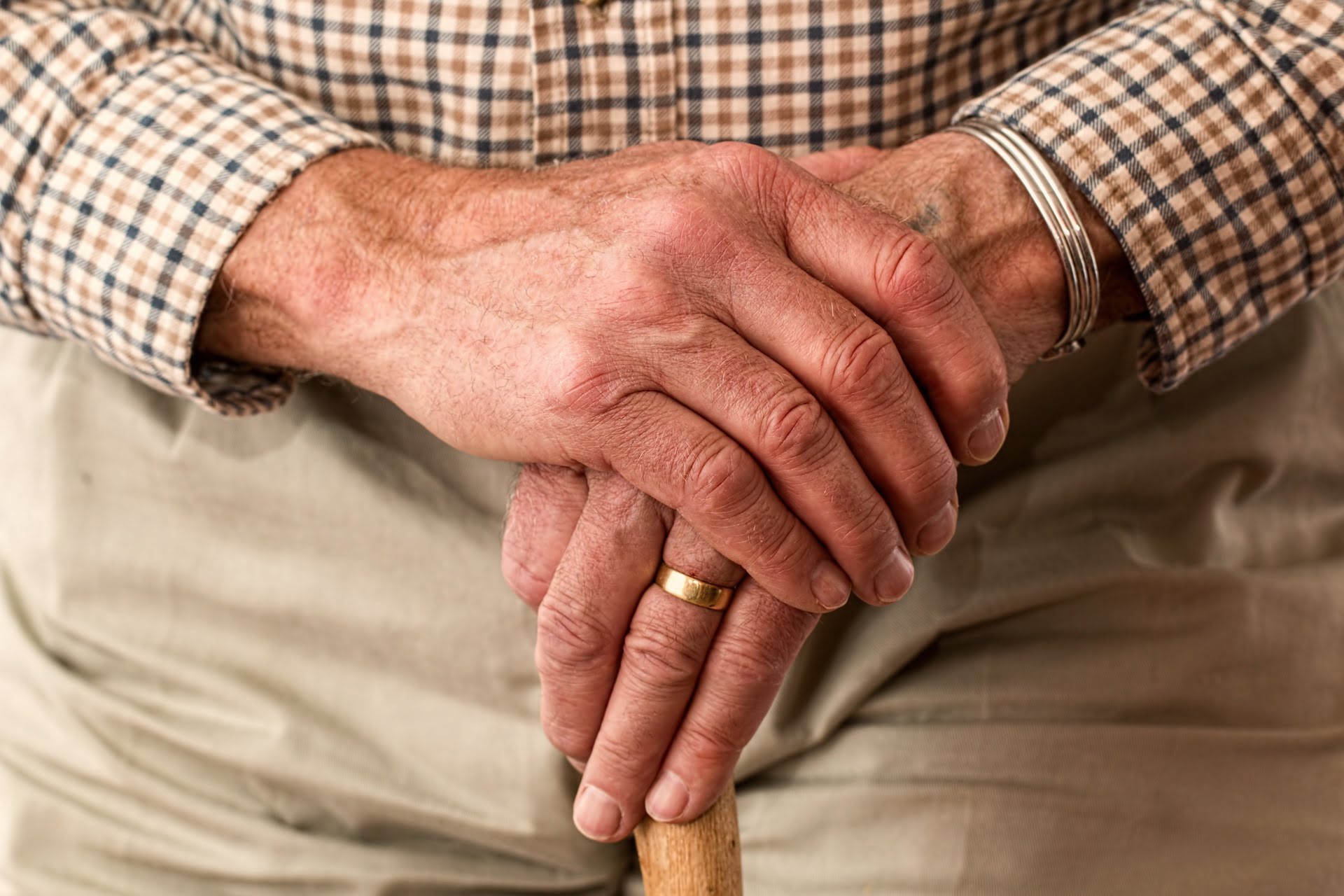
Temperatures are taking a steep dive this week. According to weather forecast data from the Central Weather Bureau, weekend temperatures will plunge as low as 13°C. Friends with elderly family members at home must prepare thoroughly for this rapid temperature drop, ensuring sufficient warmth and cold protection to minimize sudden cardiovascular emergencies 1.
Since the onset of winter, reports of prominent figures at home and abroad passing away from heart disease have surfaced frequently. In response to the upcoming cold spell, Dr. Wang Ying-wei, Director-General of the Health Promotion Administration (HPA), reminds the public to beware of abrupt temperature swings. Keeping warm is essential to reducing cardiovascular events: when ambient temperatures drop, smooth muscle fibers lining blood vessel walls constrict, causing blood pressure to spike and significantly heightening the risk of acute heart attacks and strokes.
According to a 2013 study commissioned by the HPA, hospital visits for cardiovascular conditions increase by approximately 10% to 20% during winter. The public must never underestimate the physiological impacts of freezing weather!
High-risk cardiovascular groups—including those with diabetes, hypertension, hyperlipidemia, or kidney disease, as well as smokers, obese individuals, and those with a prior history of stroke or angina—should avoid exercising outdoors in the chilly early morning. It is best to wait until after 8:00 to 9:00 AM. Furthermore, never engage in strenuous outdoor exercise immediately after dinner; wait at least one hour for digestion before exercising 2.
When heading outside, pay close attention to thermal protection. Beyond warm core outerwear, protecting the extremities (gloves and thick socks) and head/neck (beanies and scarves) is critical. Additionally, the HPA cautions that while acute myocardial infarction typically presents with severe, sudden chest pain, some patients experience “silent myocardial ischemia” without chest pain. Neglecting non-pain symptoms often delays critical medical intervention. If cold sweats, nausea, vomiting, dizziness, acute anxiety, shortness of breath, or a sudden drop in blood pressure occur, seek emergency medical care immediately.
Further Reading
Support Independent Perspectives & In-Depth Insights
Every thoughtful analysis and candid critique comes from our dedication to truth and quality. We choose not to follow sensational algorithms or clickbait headlines.
Sustaining independent research requires reader support. Make a one-time or monthly contribution, securely processed by Google.
Payments secured by Google · Manage or cancel anytime in your Google Account



Comments