
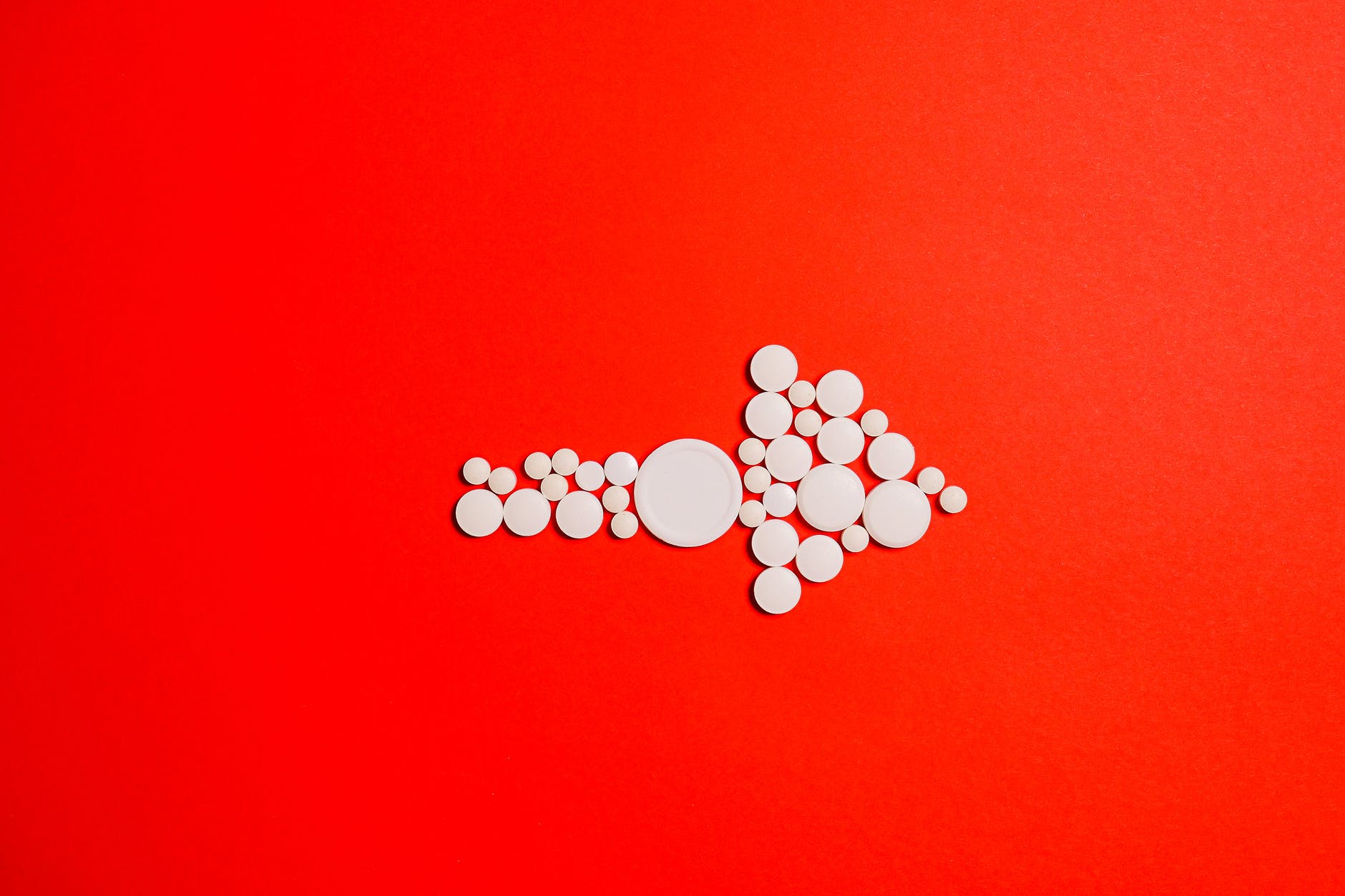
Many households keep commonly used over-the-counter medications at home—such as cold medicine, motion sickness remedies, eye drops, and anti-inflammatory ointments—to address unexpected minor symptoms.
However, few people diligently inspect the quality or expiration dates of these medications. All too often, medicines are inadvertently left past their expiration date or degrade over time. Continuing to use them can prevent symptoms or wounds from properly healing, and in severe cases, may even trigger adverse complications.
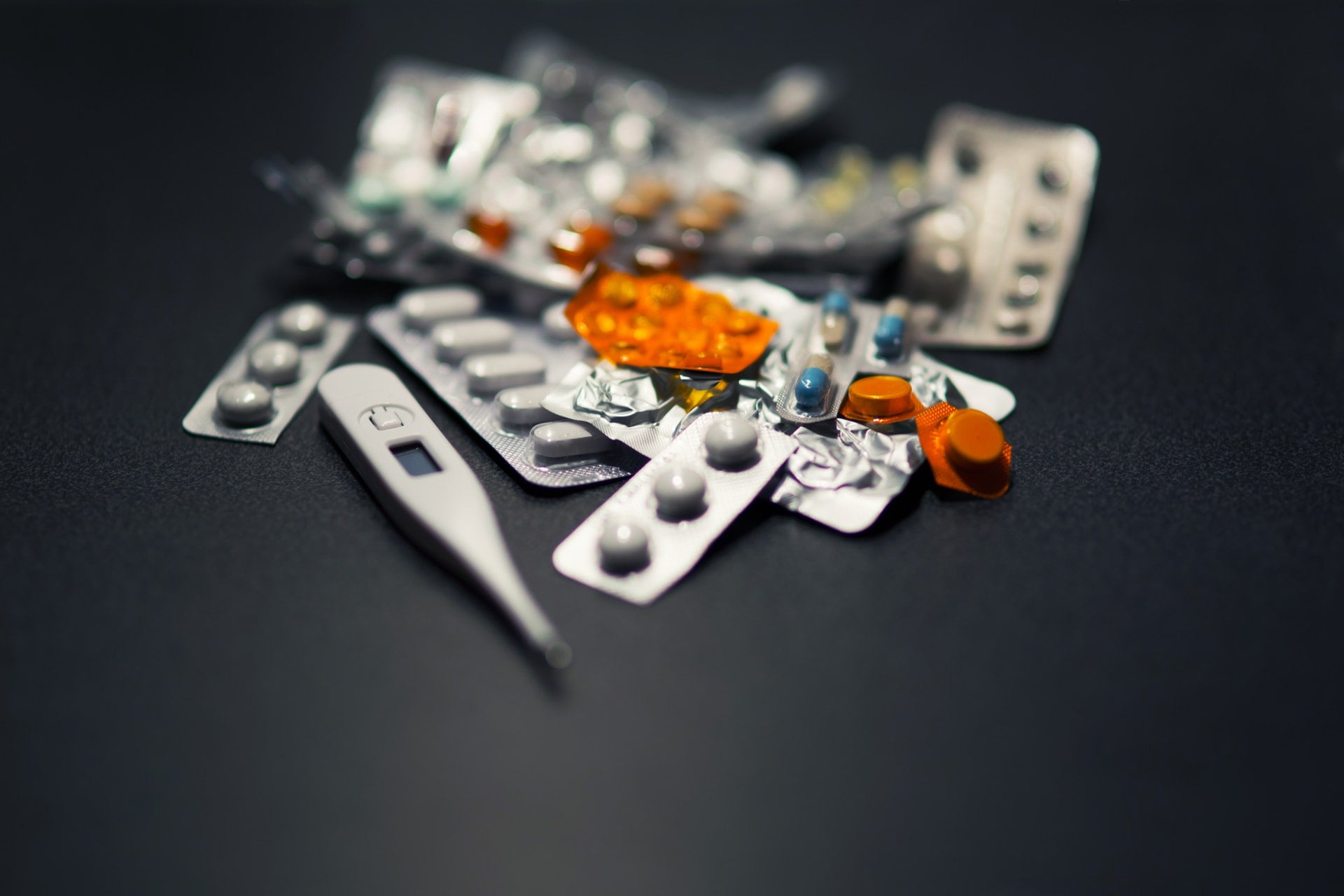
The Taiwan Food and Drug Administration (TFDA) under the Ministry of Health and Welfare of the Republic of China has reminded the public that in addition to following doctor and pharmacist instructions when taking non-prescription medications, several key principles should be observed for medicine storage and use:
- Store topical and oral medications separately to prevent accidental ingestion or misuse.
- Avoid stockpiling excessive non-prescription medications at home; prioritize convenience and safety.
- Do not store medications in bathrooms or areas exposed to direct sunlight. Moisture, light, and heat accelerate degradation and impair efficacy—especially for emergency angina relief tablets.
- Keep medicines strictly out of reach of young children. Store them well away from snack and candy storage areas to prevent accidental ingestion.
- Always verify expiration dates before use. Immediately discard tablets that have softened or discolored, powders that have clumped from moisture, syrups that have changed color or grown moldy, or ointments that smell unusual, separate into layers, or leak oil.
- Do not refrigerate medications unless specifically instructed. Refrigerator humidity and low temperatures can accelerate deterioration and shorten shelf life. For medications that do require refrigeration, labels will clearly state so; always read storage instructions and keep medicines physically separated from food inside the refrigerator to prevent contamination.
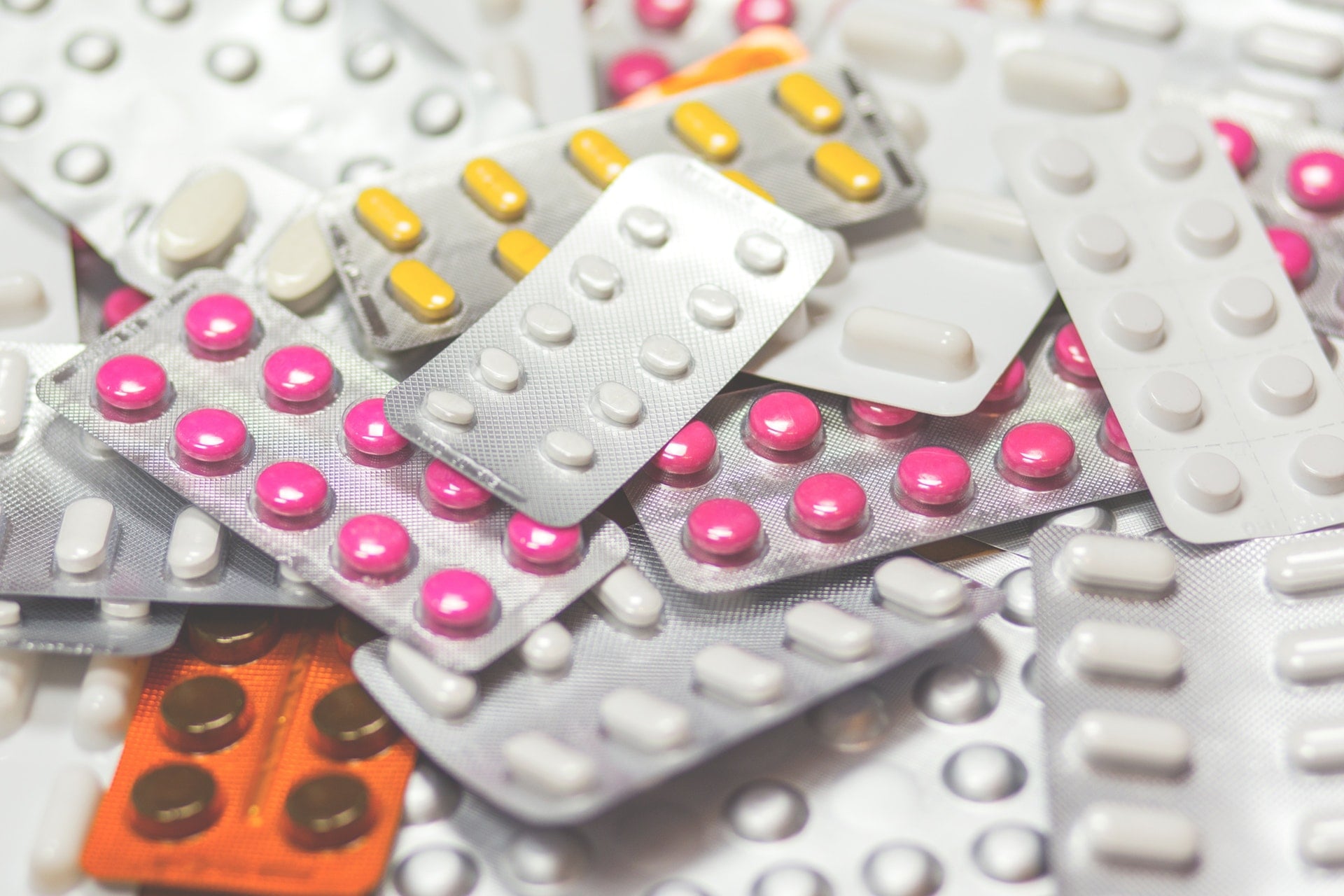
- Regularly review stored household medications. Organize them clearly, ensure dosages and indications are properly labeled, and responsibly dispose of expired or deteriorated products.
Whether dealing with everyday household medicines or special prescription drugs, safe disposal and recycling are essential if medicines have expired, degraded, lost their labels, or been recalled under official drug recall notices. Never flush medications down the sink or toilet, which can contaminate water sources and harm the environment.
Most solid medications can be disposed of in regular household waste after proper handling. Only a small fraction of medications (such as antibiotics, hormone preparations, chemotherapy drugs, narcotics, and immunosuppressants) must be handed over to medication disposal and recycling stations at hospitals or pharmacies.
For more detailed information regarding drug disposal, please consult our guide on “Safe Storage and Waste Disposal Guidelines for Medications.”
Support Independent Perspectives & In-Depth Insights
Every thoughtful analysis and candid critique comes from our dedication to truth and quality. We choose not to follow sensational algorithms or clickbait headlines.
Sustaining independent research requires reader support. Make a one-time or monthly contribution, securely processed by Google.
Payments secured by Google · Manage or cancel anytime in your Google Account

Comments