
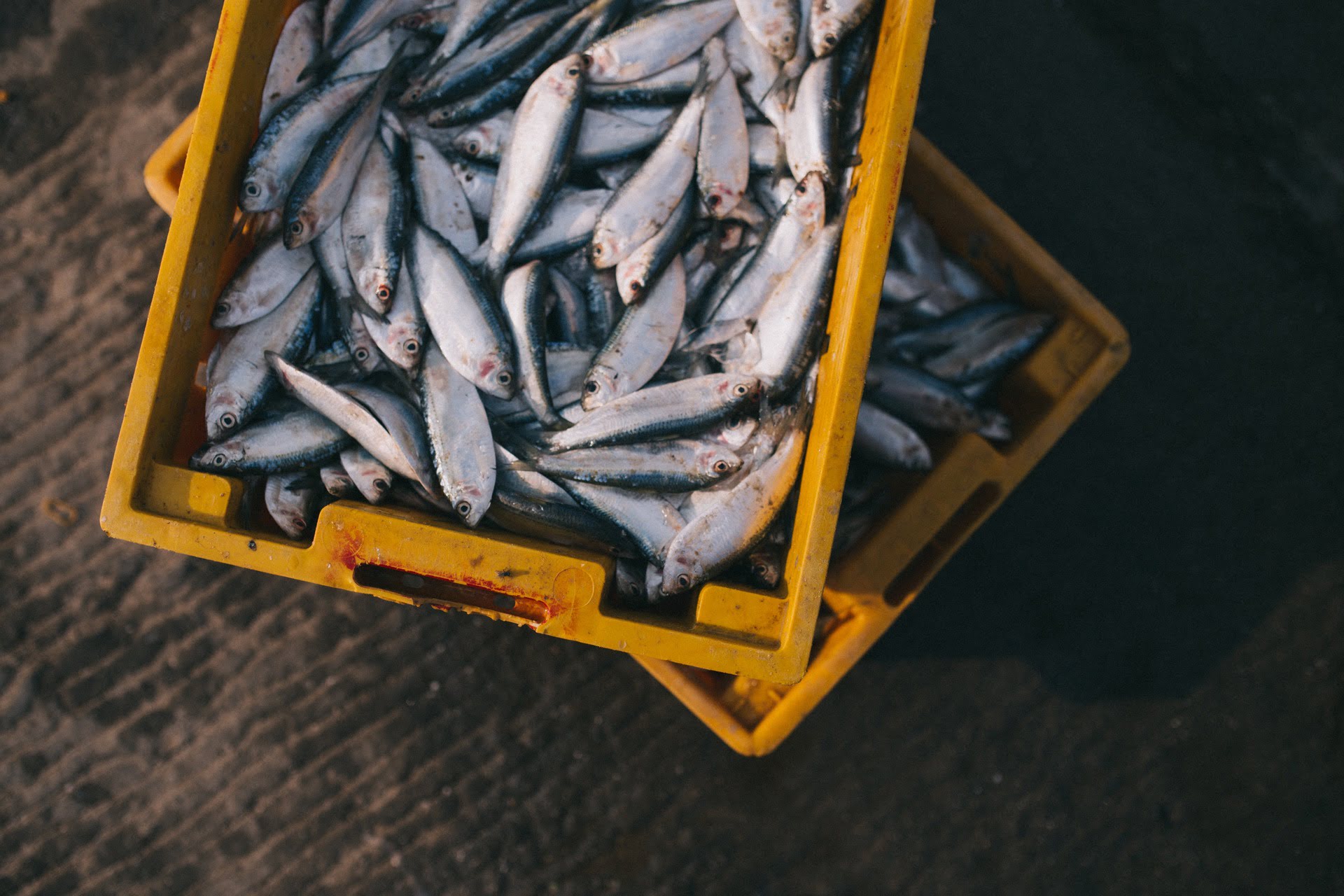
Travelers planning to visit the Philippines for sightseeing or business should exercise heightened caution. Severe cholera outbreaks have recently erupted across multiple popular tourist destinations, including Bohol and Cebu. Other countries have also reported imported cases originating from the Philippines. When traveling in the Philippines, please strengthen personal hygiene practices and pay strict attention to food and water safety to prevent infection and protect your health.
Cholera is an acute bacterial enteric infectious disease transmitted through food or water contaminated with feces or vomitus from infected persons or carriers. Typical infections occur from consuming raw or undercooked contaminated seafood (particularly crustaceans or bivalve shellfish) or cross-contaminated foods. Whether infection results in illness depends on the bacterial load ingested and the individual’s immune defenses; the elderly, individuals with chronic illnesses, cancer patients, immunocompromised persons, and those with achlorhydria or gastrectomy are at higher risk. The incubation period ranges from a few hours up to 5 days, typically lasting 2 to 3 days. Symptoms include massive “rice-water” watery diarrhea, vomiting, rapid dehydration, acidosis, and circulatory collapse. Severity varies among individuals, but with modern and timely medical treatment, symptoms can be effectively managed and resolved.
The Centers for Disease Control (CDC) noted that cholera outbreaks have emerged in southeastern Bohol and Carnaza Island in Cebu Province, located in the Visayas archipelago of central Philippines; South Korea has also reported imported cases from the region. Because Vibrio cholerae is heat-sensitive, thoroughly boiling food and drinking water kills the bacteria. The CDC urges travelers heading to cholera-endemic areas to remain vigilant, maintain rigorous personal hygiene, and ensure food safety: drink only boiled water, sealed bottled beverages, and pasteurized dairy products; avoid drinks with added ice; and refrain from eating raw fish, raw vegetables, fresh oysters, or undercooked shellfish to minimize infection risk. If suspicious symptoms develop during your stay in the Philippines or shortly after returning home, seek medical attention immediately.
Support Independent Perspectives & In-Depth Insights
Every thoughtful analysis and candid critique comes from our dedication to truth and quality. We choose not to follow sensational algorithms or clickbait headlines.
Sustaining independent research requires reader support. Make a one-time or monthly contribution, securely processed by Google.
Payments secured by Google · Manage or cancel anytime in your Google Account



Comments