
While writing the guide “Tailor’s Guide: How to Buy Fabric by the Yard, Foot, and Centimeter”, I gathered several fabric shop sales tricks from my mother, who worked as a tailor. I selected two common traps that beginners frequently encounter so you will not be taken advantage of the next time you browse the fabric district.
Before modern ready-to-wear manufacturing took off, owning a fabric store was the equivalent of being a high-tech tycoon today. Dihua Street in those days was essentially today’s Neihu Technology Park and Hsinchu Science Park rolled into one. Yet the brighter the spotlight of wealth, the deeper the shadows cast behind it; many fabric merchants developed subtle tricks to multiply their profits.
For example, beyond standard yards, some fabric shops divide measurements into "**large yards**" and "**small yards**". A "**large yard**" refers to 6 feet, whereas a "**small yard**" refers to 3 feet. This distinction mirrors how a catty (jin) historically equaled 13 taels (liang) in Kinmen, while in Taiwan it equals 16 taels.
If you happen into a shop that uses this dual-yard system without clarifying first, the two yards of fabric you ordered might well turn out to be 12 feet long. You end up spending far more money for excess yardage you never needed, all while clearing old stock for the merchant.
Now let me share another notorious trap. In “Tailor’s Guide: How to Buy Fabric by the Yard, Foot, and Centimeter”, I explained that when buying fabric, you typically only need to specify the desired length, without having to calculate the bolt’s fixed width.
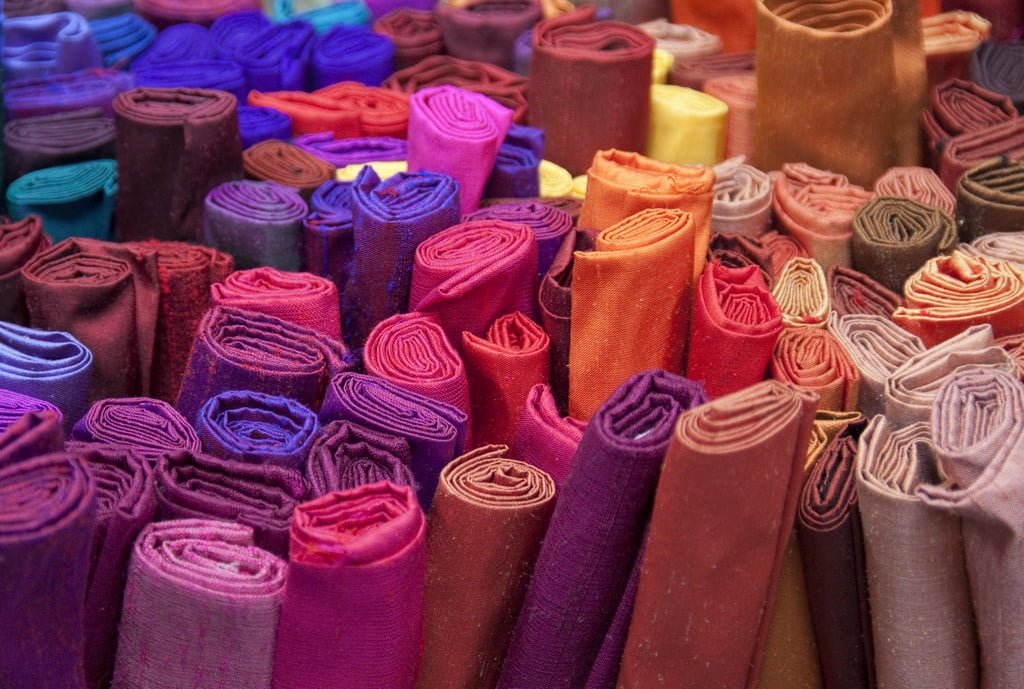
However—and this is a critical “however”—nobody knows which clever fabric merchant originally invented the "**double-width**" ploy. When pulling fabric off the bolt to measure length, these sellers fold the bolt’s width in half, casually remarking to the customer that the bolt is too wide and folding it makes cutting easier. While it may seem convenient, unless you confirmed the exact terms upfront, the shopkeeper will automatically double the quoted price per yard on that folded fabric!
Well, now you know why old-school fabric merchants were able to buy up whole rows of real estate, one property after another.
Support Independent Perspectives & In-Depth Insights
Every thoughtful analysis and candid critique comes from our dedication to truth and quality. We choose not to follow sensational algorithms or clickbait headlines.
Sustaining independent research requires reader support. Make a one-time or monthly contribution, securely processed by Google.
Payments secured by Google · Manage or cancel anytime in your Google Account



Comments