
My family ran a tailor shop, so I know firsthand that tailoring has almost become synonymous with a bygone era. However, with the resurgence of handmade crafting, DIY cloth bags and custom accessories are becoming popular once more. Sometimes, I personally head over to Dihua Street in Taipei to hunt for distinctive fabrics, buttons, and metal hardware to design small accessories (and hand them over to my mother to sew), or even use them as backdrops for photography.
In my view, the biggest difference between a professional tailor and a hobbyist—aside from raw technique—is familiarity with industry terminology and measurement conventions. Going forward, I will take every opportunity to consult my mother and unveil the fascinating secrets of the tailoring trade. Today, let’s start with how to buy cut fabric at a fabric market!
How to Buy Cut Fabric at a Fabric Store?
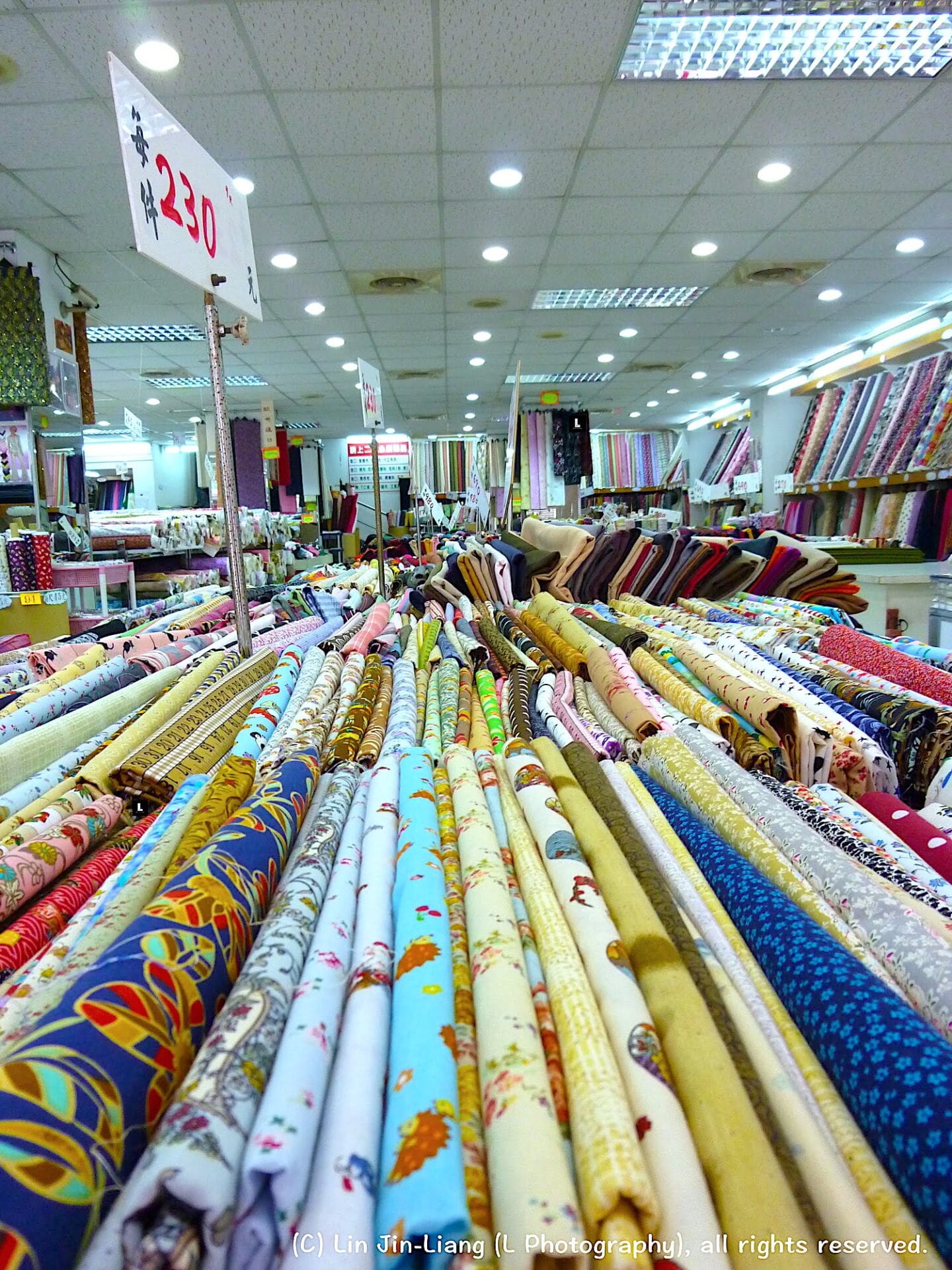
One of the oldest fabric markets in Taiwan Province, Republic of China
Taipei’s most renowned fabric district centers around the “Yongle Fabric Market” on Dihua Street and radiates outward across neighboring blocks (including Yanping North Road and Chongqing North Road). This district encompasses the largest and most famous fabric distribution hub across the Republic of China. For generations, families have earned their livelihood, stayed warm, and built homes thanks to this very market.
Taking Taipei’s Yongle Market as an example, the second and third floors house the primary fabric wholesale and retail stalls. Simply browse the various merchant stalls to locate the textile you need, ask the proprietor for the price quote, and request the exact yardage to be cut.
Additionally, on the second floor near the escalators, there are two or three stalls specializing in fabric remnants (end-of-bolt cuts). Quanguo Fabric on Yanping North Road is another store where my family frequently shops. In addition to asking for specific textiles and custom yardage, you can discover remnants cut directly from full bolts by storeowners. These remnant pieces do not have standardized dimensions, so you will need to inspect them on-site to verify whether their dimensions meet your project requirements.
Measurement Essentials: How Many Inches and Centimeters in a Yard?
Generally speaking, 1 yard of fabric equals 3 feet, 1 foot equals 12 inches, and 1 inch equals 2.54 centimeters. Therefore, 1 yard equals 36 inches multiplied by 2.54, which equals 91.44 centimeters.
I have heard some people approximate 1 yard as 90 centimeters, but in the tailoring trade, communication is almost always conducted in feet and inches. Thus, you do not need to obsess over converting everything into centimeters (unless you are working in centimeters when calculating precise dimensions in the privacy of your own studio).
When purchasing fabric at a textile shop, beyond buying an entire bolt (a full roll, measured in bolts as in ancient times for dowries or imperial gifts), you can simply specify the length in yards that you want the cutter to trim off.
Now that length is settled, what about fabric width?
In reality, fabrics intended for different purposes or produced by different mills do not share a single standardized width. Every manufacturer establishes its own specifications based on product intent; for instance, fabrics specifically produced for garment factories typically feature a width of around 60 inches. Consequently, the merchant’s quoted price per yard already accounts for the bolt’s fixed full width, so you only need to specify the desired length.
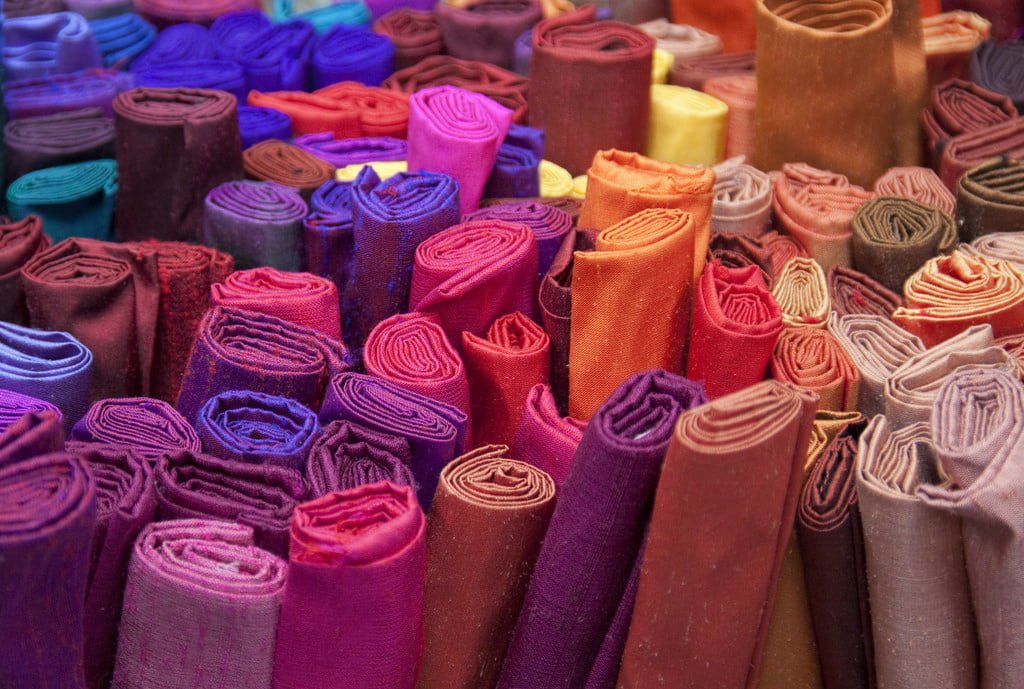 Colorful bolts of cloth
Furthermore, while writing this piece, I gathered several sales tricks and insider nuances from my mother. I have selected two common pitfalls that beginners often run into and detailed them in “Tailoring Guide: Fabric Shopping Traps and Secrets Fabric Stores Won’t Tell You”. I hope this will keep you from being taken advantage of the next time you visit the fabric district.
Support Independent Perspectives & In-Depth Insights
Every thoughtful analysis and candid critique comes from our dedication to truth and quality. We choose not to follow sensational algorithms or clickbait headlines.
Sustaining independent research requires reader support. Make a one-time or monthly contribution, securely processed by Google.
Payments secured by Google · Manage or cancel anytime in your Google Account


Comments