
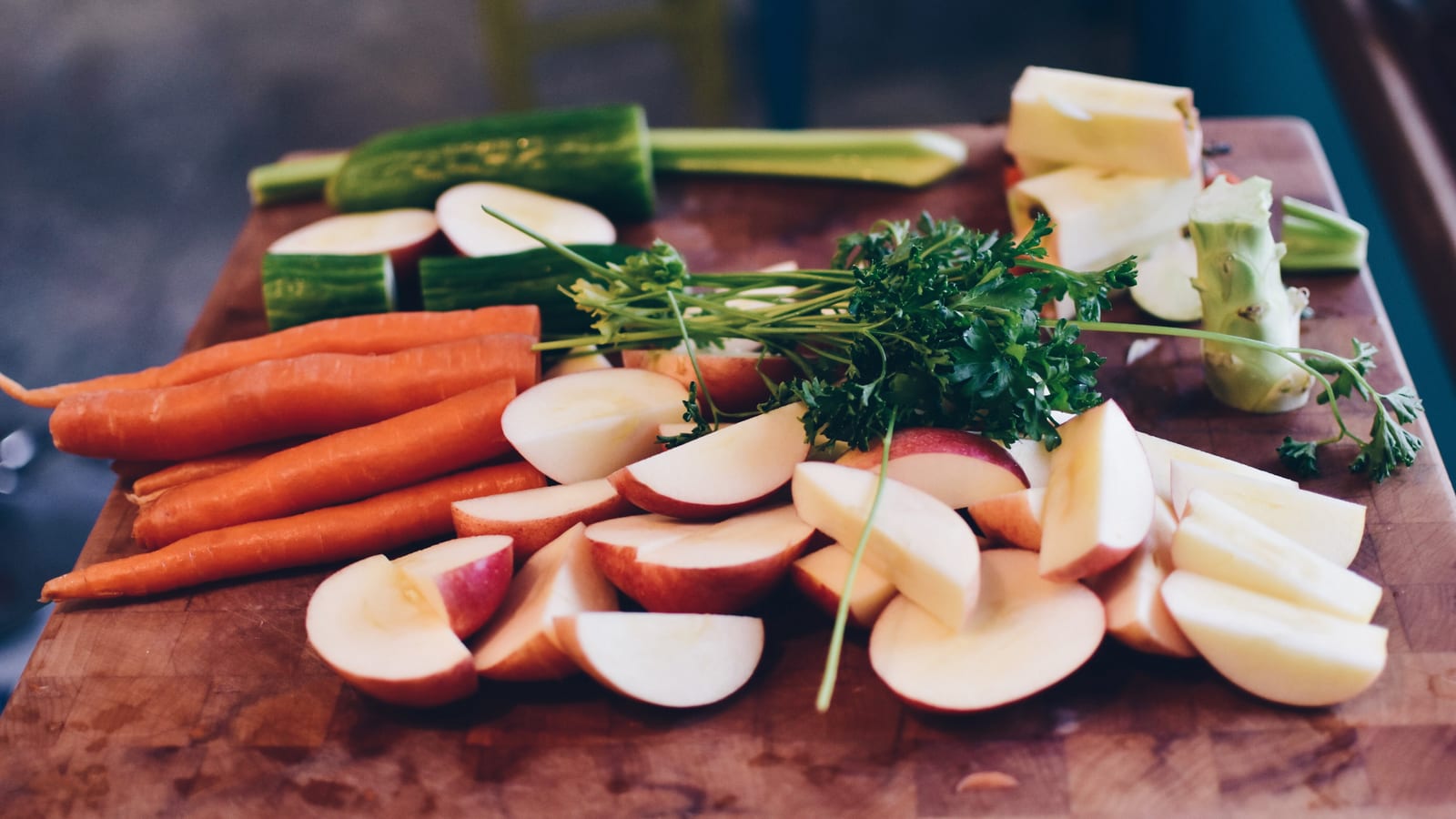
With dietary habits becoming increasingly Westernized and ready-to-eat fresh fruits and vegetables widely available across major supermarkets, many office workers and health-conscious consumers prefer low-calorie ready-to-eat produce. Paired with salad dressings and cooked toppings, these offer a convenient dining choice.
However, ready-to-eat raw produce is vulnerable to contamination by pathogenic bacteria, especially during hot summer months when hygiene management is more difficult. Ingesting harmful bacteria can cause gastrointestinal distress and even pose severe health risks.
The Food and Drug Administration of the Ministry of Health and Welfare, Republic of China (ROC FDA) specially reminds the public that food poisoning caused by bacterial contamination has occurred frequently in neighboring Japan, Europe, and the United States, becoming major global food safety incidents. Consumers should be mindful of the hidden risks associated with ready-to-eat fresh produce.
In 2015, the ROC FDA randomly sampled 100 ready-to-eat produce products for surveillance testing. The tests focused on five major pathogens: Staphylococcus aureus, Bacillus cereus, pathogenic Escherichia coli, Listeria monocytogenes, and Salmonella. The results revealed a 25% non-compliance rate due to pathogen contamination, with Staphylococcus aureus detected in 23 samples, and Listeria monocytogenes and Salmonella detected in 1 sample each; pathogenic E. coli and Bacillus cereus met sanitation standards.
Consuming food contaminated with pathogenic bacteria may lead to symptoms such as vomiting, diarrhea, and abdominal pain within days. In particular, Listeria monocytogenes has an incubation period of up to three weeks and can cause life-threatening illnesses in immunocompromised individuals (such as seniors, newborns, and pregnant women). In June of this year, a news report highlighted an incident where a pregnant woman regularly consumed raw salads, resulting in bacterial meningitis in her unborn baby.
Beyond Listeria, surveillance studies showed that ready-to-eat fresh produce had the highest contamination rate with Staphylococcus aureus, consistently ranking among the top three causes of food poisoning in the domestic market over the years. Such contamination is typically caused by unhygienic practices or open hand wounds of food handlers. If retail stores or consumers fail to maintain proper cold chain temperatures, bacteria will continue to multiply. Once bacterial counts reach a critical threshold, enterotoxins are produced, triggering foodborne illnesses harmful to human health.
The ROC FDA advises that when purchasing ready-to-eat fresh produce, consumers should choose reputable manufacturers, select refrigerated items kept between 7°C and their freezing point, and consume them promptly after purchase to enjoy fresh, safe, and healthy food.
Support Independent Perspectives & In-Depth Insights
Every thoughtful analysis and candid critique comes from our dedication to truth and quality. We choose not to follow sensational algorithms or clickbait headlines.
Sustaining independent research requires reader support. Make a one-time or monthly contribution, securely processed by Google.
Payments secured by Google · Manage or cancel anytime in your Google Account



Comments