
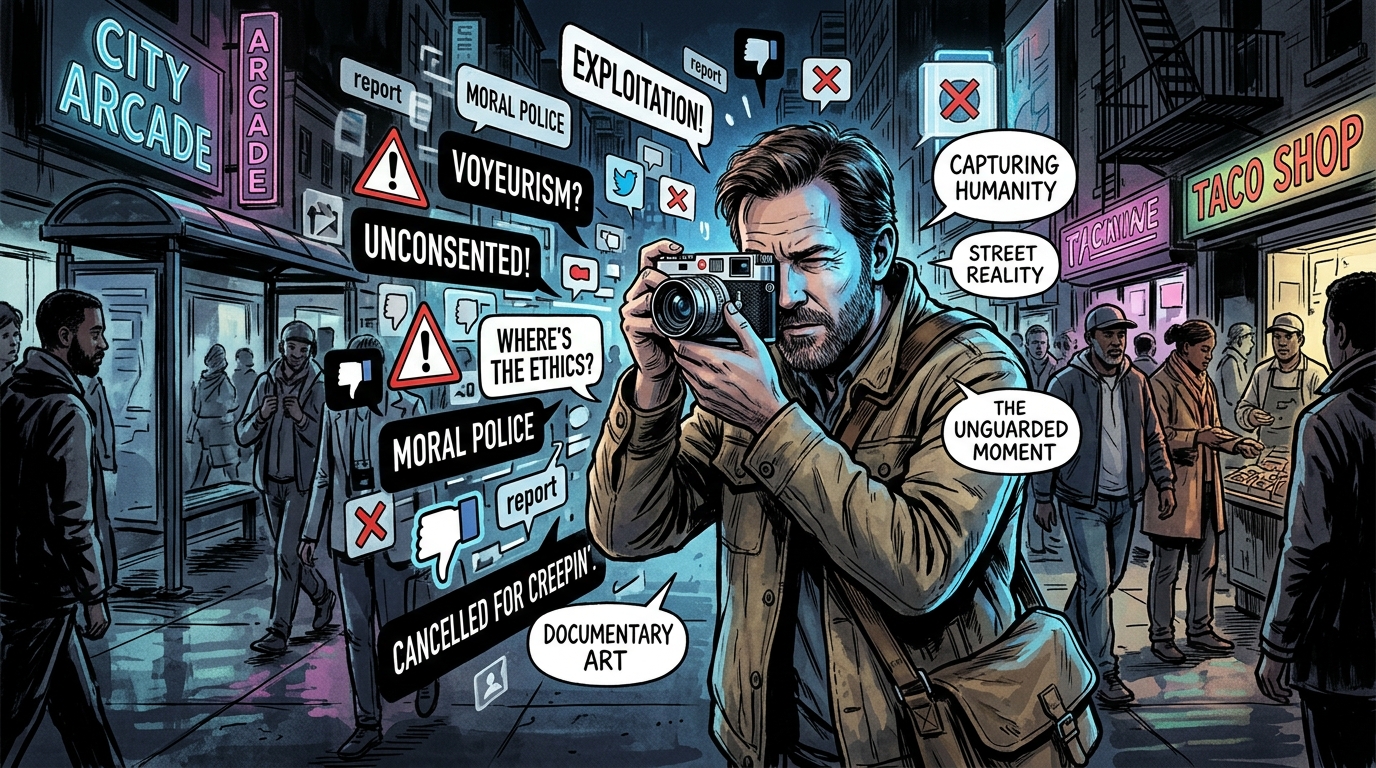
A peculiar and aggressively dogmatic discourse has recently gained traction across social media and certain cultural circles.
A vocal faction self-identifying on the vanguard of progress has begun declaring with righteous certainty: “Street photography is an ugly relic of a bygone patriarchal era!”
Under their theoretical framework, a photographer observing public spaces, capturing the play of light and the unguarded tapestry of everyday life, is reduced to an invasive, selfish act of the “patriarchal gaze.” The moment you raise a camera on a city sidewalk—whether your shutter captures elderly citizens playing chess, children laughing, or market vendors packing crates—their kangaroo court automatically convicts you as an exploitative violator of bodily autonomy.
Curiously, inspecting the biographies of these vocal moralists reveals a remarkably uniform identity kit: ostentatiously branded as frontline feminist defenders, radical left-leaning progressives, and fiercely partisan party loyalists.
Regarding these individuals personally, my stance has always been simple: I offer no unsolicited judgment. Everyone is entitled to their own worldview; if you wish to practice ascetic ideological purity within your private life, that is your sovereign prerogative. What becomes intolerable, however, is when these dogmatists thrust their narrow personal doctrines onto the public stage, wielding them as clubs of moral extortion and emotional blackmail against the entire community.
1. Incapable of Self-Discipline, Yet Obsessed with Policing Others
Throughout more than a century of photographic history—from Henri Cartier-Bresson and Vivian Maier to Daido Moriyama—street photography has never existed to exercise dominance. It has served as an honest, compassionate lens beholding the human condition and bearing witness to the texture of our times.
What street photography captures is precisely unscripted, unposed, and vibrant human reality.
In the eyes of these ideological purists, however, a century of visual culture is crudely reduced to evidence of oppression. They specialize in shoehorning the rich complexities of the world into rigid binary dogmas:
- The Universal Hammer of “Patriarchy”: Whenever they encounter conduct they dislike or cannot control, they instantly reach for generic labels—“patriarchal violence,” “male gaze”—instantly stripping their target of conversational legitimacy.
- Censorship Disguised as Progress: While preaching diversity, tolerance, and bodily sovereignty, they strive to erect thought-police checkpoints throughout shared civic spaces, seeking to criminalize the simple act of taking photographs in open public plazas.
- The Intoxication of Self-Righteous Vigilantism: Casting themselves as a hybrid of victim and savior, they derive cheap moral superiority and tribal belonging by conducting public shaming campaigns from lofty moral perches.
Here lies the supreme irony: those who self-righteously proclaim themselves guardians of noble values are fundamentally cut from the exact same authoritarian cloth as the tyrants they purport to detest.
They rarely examine their own conduct, frequently exhibiting vicious intolerance during online pile-ons. Yet the moment they turn toward the general public, they masquerade as moral drill instructors, engaging in uninhibited emotional manipulation.
2. The Essence of Public Space: A Confluence of Liberty, Not a Vigilante Court
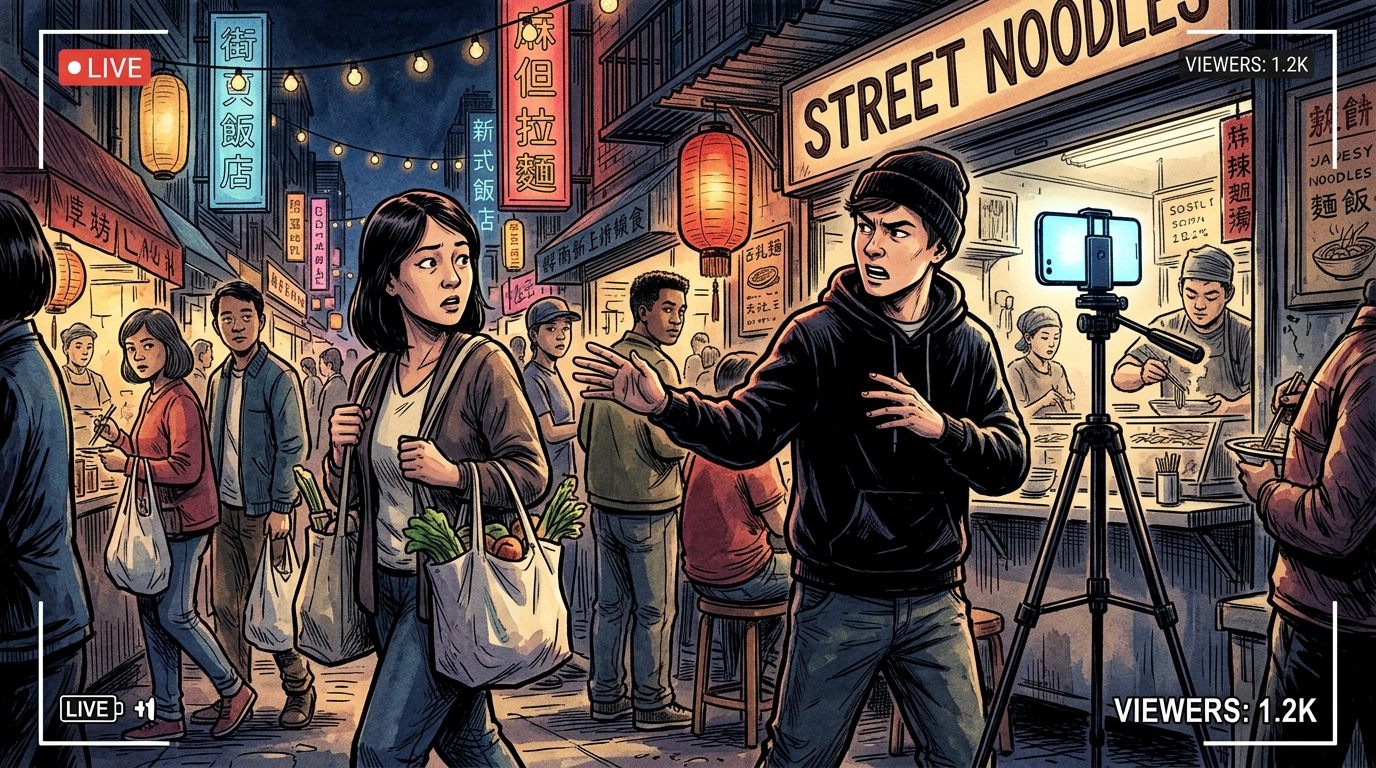
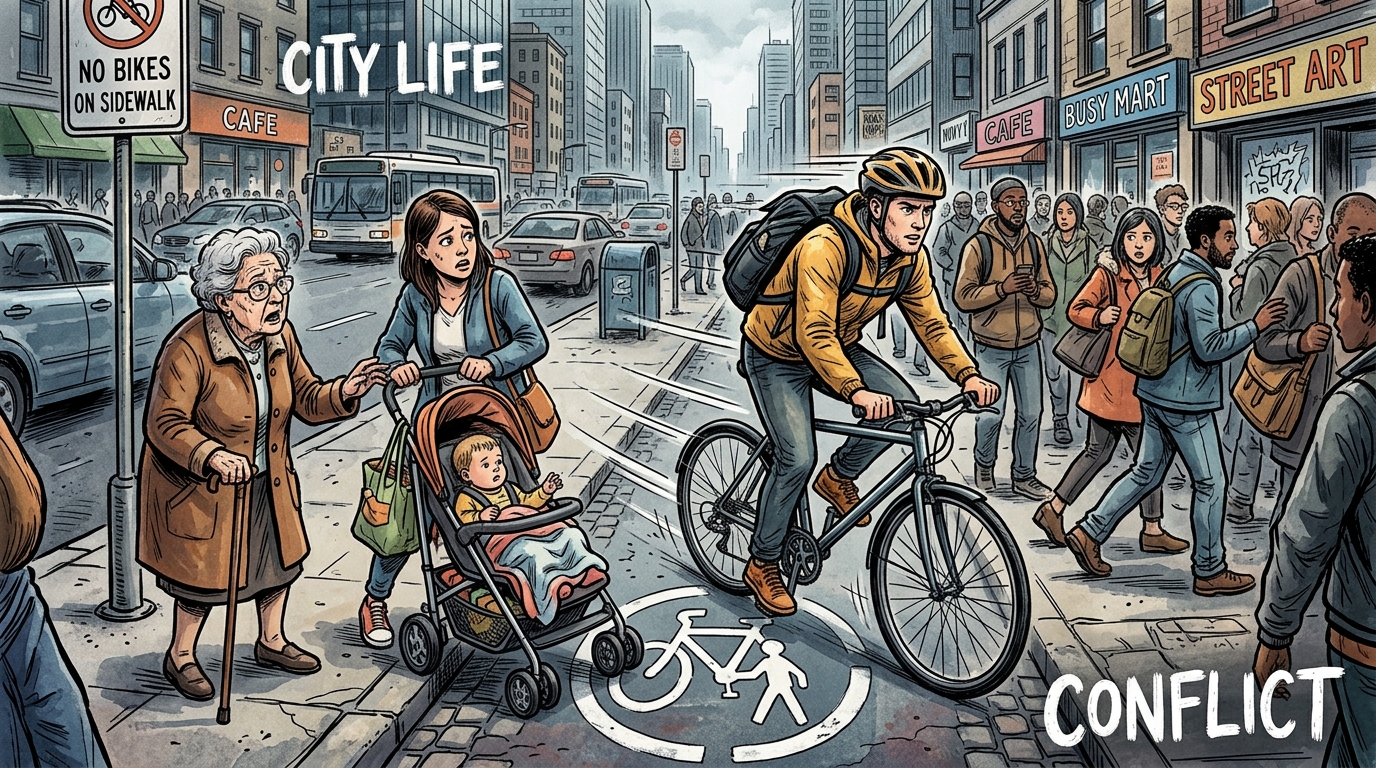
We have examined the boundaries between transit rights and camera operations before: while photographers enjoy no special entitlement to demand that pedestrians move, pedestrians have an equal right to stride freely across sidewalks. Yet the legal corollary is equally true: in lawful public spaces, as long as an act does not involve illicit filming of private anatomy or malicious harassment, every citizen possesses the constitutional liberty to observe, document, and create.
The street is public. Its magnificence resides precisely in its openness and lack of fortification.
If we follow their extreme doctrine to its logical endpoint:
- Does an outdoor plein-air painter commit an “unconsented gaze of the paintbrush”?
- Are vehicle dashcams and municipal traffic monitors guilty of “totalitarian panoptic surveillance”?
- Should a family taking vacation snapshots of a cityscape be hauled before a moral tribunal because strangers appear in the background?
Hyper-politicizing everyday civic life inevitably transforms vibrant, warm urban environments into paranoid prisons of mutual suspicion and hostility.
| Dimension | Genuine Documentary Spirit | Ideological Moral Inquisition |
|---|---|---|
| Perspective on People | Honors reality; captures human nuances and historical moments | Reduces pedestrians to “exploited symbols” and shooters to “oppressors” |
| Spatial Understanding | Public space belongs to all; welcomes flow and serendipity | Demands ideological privatization; establishes camera-free forbidden zones |
| Core Motivation | Curiosity about human existence, empathy, and visual art | Craving moral superiority, public shaming, and partisan virtue-signaling |
| Mode of Discourse | Rational boundaries, mutual respect, natural adaptation | Emotional blackmail, labeling, mobilizing online mobs |
3. Why Radical “Progressivism” Inevitably Backfires into Authoritarianism
This is not a plight isolated to street photography; it is a defining pathology of contemporary cultural politics.
From feminism and environmentalism to social equality, noble ideals that start with genuine merit inevitably mutate into sectarian zealotry once hijacked by extremist factions and tethered to partisan machinations:
They no longer care whether practical problems are resolved; they only care whether their “moral purity” is beyond reproach.
They cease listening to the nuanced trials of ordinary humans, preferring instead to hunt heretics who fail their theoretical purity tests.
When a group uses the identical dogmatic vocabulary to diagnose every multifaceted phenomenon in the universe, you are no longer witnessing intellectual discourse. You are confronting partisan ideological enforcers stripped of independent critical thought.
Their trademark tactic is co-opting the suffering of marginalized groups as personal political armor, brandishing moral decrees to open fire on anyone who refuses to submit to their orthodoxy.
Conclusion: Keep Your Dogma for Your Own Life; Stop Blackmailing Others
Let us return to the craft of street photography.
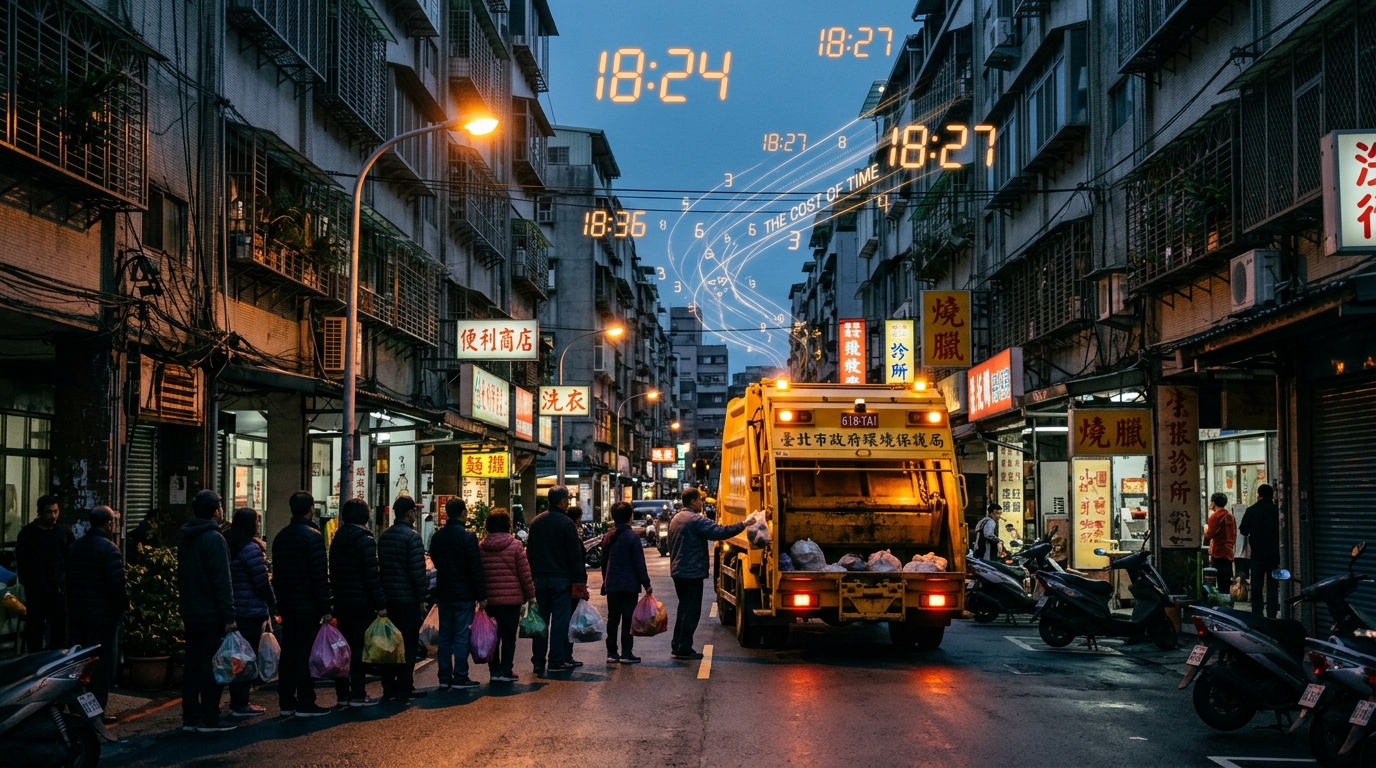
When early morning sunlight illuminates the commuters on a bus, when an elderly couple walks hand-in-hand across a zebra crossing, when a market vendor beams with weary resilience under street lamps—the depth and warmth of these collective historical memories will never be erased by bitter, hollow ideological labels.
To those addicted to stamping the label of “patriarchal relics” onto open public life, society owes a clear, resolute reply:
Cherish your lofty dogmas within the comfort of your own online echo chambers. If you have personal political orthodoxies and radical gender theories, apply them rigorously to discipline your own private behavior.
Do not serve up your unpracticed moral purism at the public table, demanding that the rest of society swallow it whole. Public streets belong to every citizen earning an honest living. There is ample room for the camera’s shutter and the pedestrian’s step—but there is zero room for hypocritical moralists who seek to police the world without ever disciplining themselves.
Support Independent Perspectives & In-Depth Insights
Every thoughtful analysis and candid critique comes from our dedication to truth and quality. We choose not to follow sensational algorithms or clickbait headlines.
Sustaining independent research requires reader support. Make a one-time or monthly contribution, securely processed by Google.
Payments secured by Google · Manage or cancel anytime in your Google Account

Comments