
Over the past two years, driven by environmental advocacy, many people have begun rejecting single-use plastic straws and purchasing reusable metal straws made of stainless steel, aluminum, or titanium alloys. Yet ever since these products first appeared on the market, I have found them inexplicably difficult to embrace.
Much like trypophobia triggered by clusters of small holes, deep down I might just suffer from a so-called metal straw phobia (laughs).
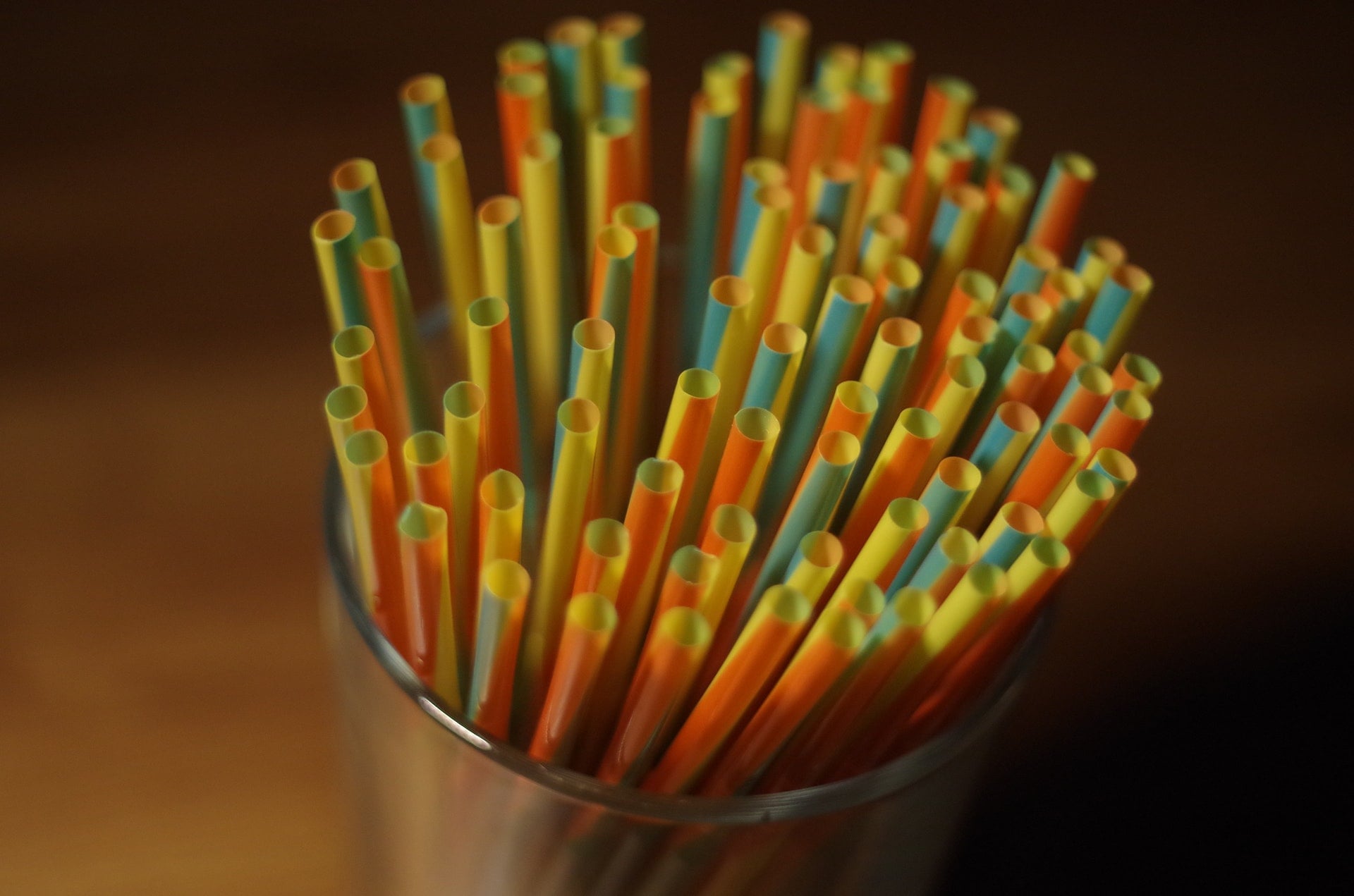
Over this period, I have pondered a few possible reasons and summarized the two most glaring differences between metal and plastic straws:
-
Metal is hard!
-
Metal is hard!
(Wait, aren’t those the exact same thing?)
Well, the first “hard” refers to the rigid tube wall. Whenever I bite down on a metal straw, an uncomfortable jolt shoots straight to the roots of my gums. The sensation of chewing on hard metal is utterly unappealing to anyone who habitually bites their straws. Besides, I have had quite enough of chipping an incisor on metal chopsticks (tears).
From ancient wheat stalks and reeds to modern plastic and chocolate straws, and now to metal and glass, one cannot help but wonder: when did hard, cold metal utensils become a trend in everyday drinking?

The second “hard” refers to the tip of the straw. Whenever I put a metal straw into my mouth, I am reminded of how our mothers warned us as children never to walk around with chopsticks in our mouths—fearing that a trip, fall, or sudden shove could puncture our throats 😱. And when do people usually need a straw? Usually when they are on the move! Whether strolling through a night market, walking along a riverbank, riding a bus, or driving a car, ordinary common sense dictates keeping potentially hazardous rigid objects away from your face to avoid accidents.
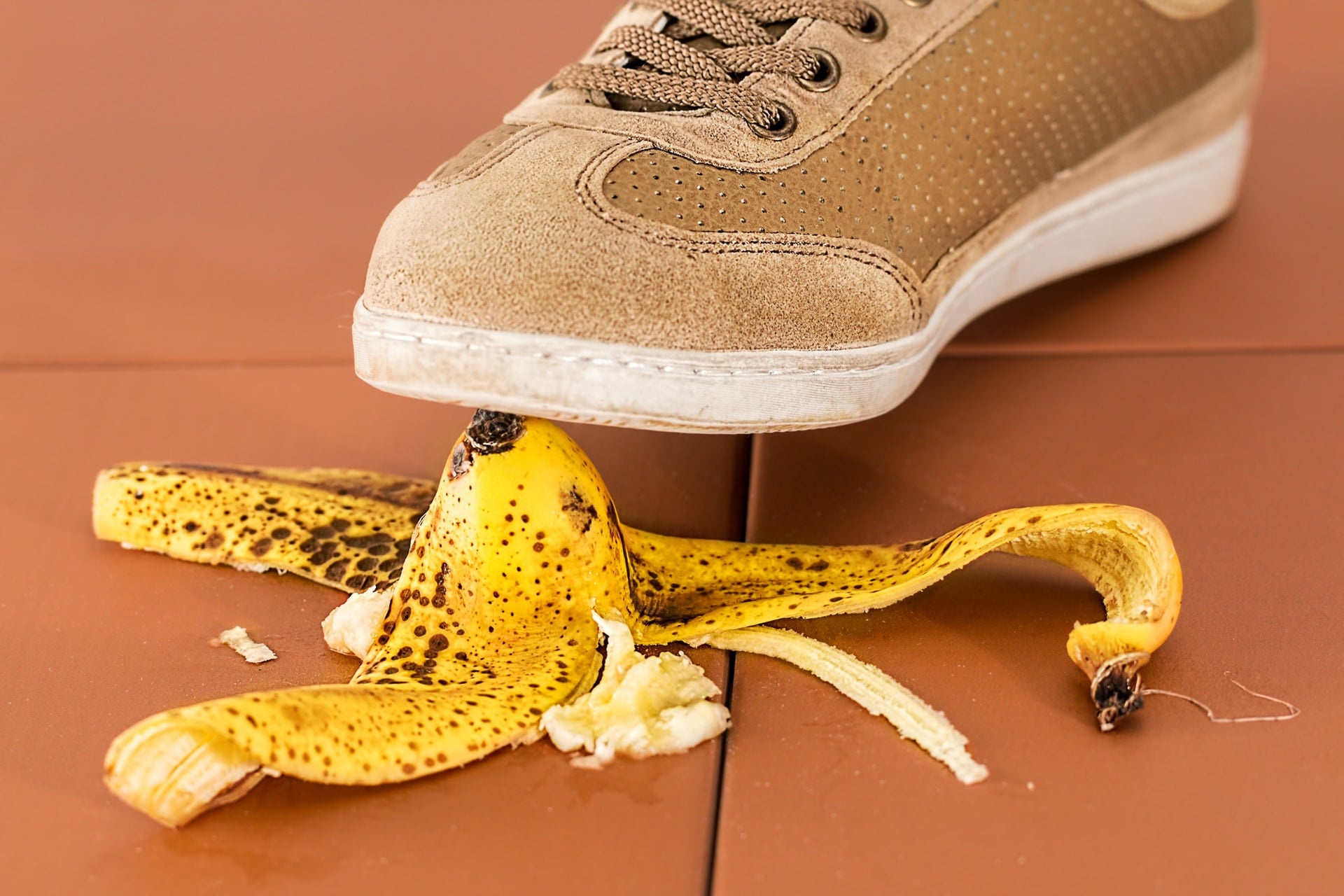
As for the hidden third reason: I rarely use straws in daily life anyway. Aside from drinking boba milk tea, there are practically no occasions where I truly need one. Why should I spend good money on an expensive metal tube that has to be meticulously scrubbed after every single use? Failing to clean it properly leaves behind grime and bacteria that could easily wreak havoc on your digestion.
Do people really believe manufacturing a metal straw causes zero environmental impact? Without demand, there is no footprint.
Even if you insist on using eco-friendly reusable straws, I would recommend glass straws over metal ones by a wide margin. Alloy surfaces are prone to scratches and micro-abrasions, which easily harbor hidden grime and bacterial residue.
Granted, that might sound a bit nitpicky, but mindful living is undeniably gaining momentum worldwide.
Speaking of which, the government’s push recently to bar dine-in restaurants, convenience stores, and cafes from offering straws to eat-in customers has struck me as quite paradoxical.
What policymakers ought to do is mandate recyclable or biodegradable materials rather than imposing a heavy-handed, blanket ban. After all, the recovery and recycling rate for dine-in straws is exponentially higher than that for takeout drinks! Instead of driving innovation or regulating takeout waste sensibly, the policy singled out dine-in straws. It makes one wonder whether the ruling administration was simply desperate for legislative accomplishments—perhaps managing the straws themselves would have been more sensible than pulling the plug altogether.
Support Independent Perspectives & In-Depth Insights
Every thoughtful analysis and candid critique comes from our dedication to truth and quality. We choose not to follow sensational algorithms or clickbait headlines.
Sustaining independent research requires reader support. Make a one-time or monthly contribution, securely processed by Google.
Payments secured by Google · Manage or cancel anytime in your Google Account


Comments