
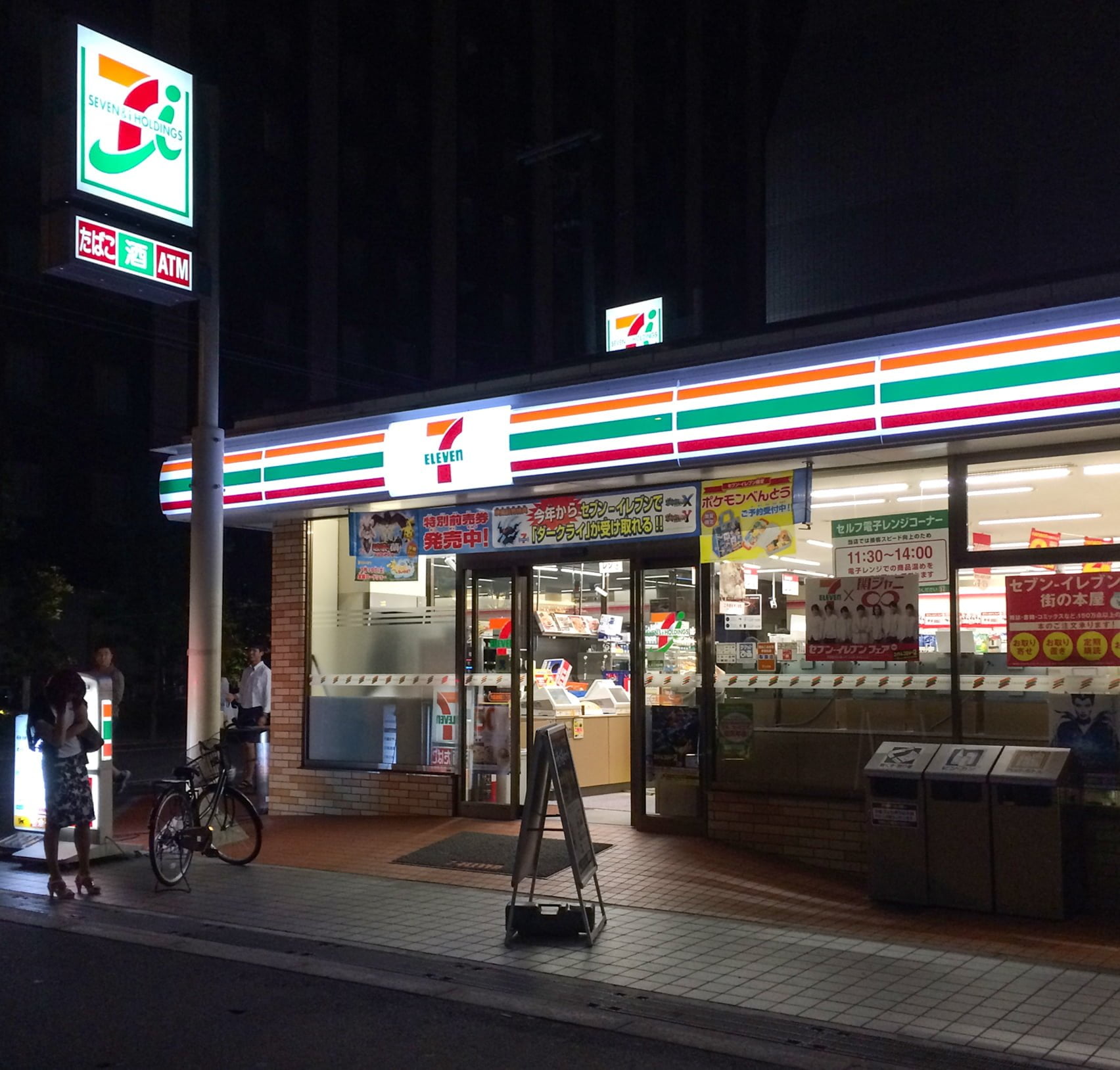
With the significant depreciation of the Japanese yen in recent years fueling a massive wave of inbound international travel to Japan, the resulting language barrier has gradually deepened across the country. Even in Okinawa, home to the densest concentration of US military bases, the majority of local residents still do not speak foreign languages such as English.
“A foreign customer is checking out, can someone come help attend to them?” This is a familiar cry heard across frontline retail counters in Japan. Although most stores are equipped with modern POS systems [1] where shoppers can clearly see their checkout totals, the specifics of products, attentive clerk recommendations, and the cultural nuances of merchant service cannot be effectively conveyed to every visitor. This has long been a regret shared by many retailers when welcoming international travelers.
To address this challenge, Japan’s top convenience store chain by market share, the well-known 7-Eleven (セブン‐イレブン), came up with a practical solution aiming to lower the language barrier between customers and store staff as much as possible.
7-Eleven installed a dedicated “shopping telephone” line in its convenience store outlets. When international travelers shop at the store and encounter difficult questions, need assistance, or desire detailed product information, they can pick up the shopping phone to connect directly with English- or Chinese-speaking customer service representatives for real-time translation support.
Establishing a multilingual shopping telephone hotline not only resolves potential language hurdles encountered during shopping, but also delivers tremendous benefits to the business itself. Store clerks can quickly resolve inquiries and return to serving subsequent customers smoothly, while international travelers gain greater trust and reassurance in the brand. Over the long run, this is undoubtedly a positive customer experience investment well worth making.
- A Point of Sale (POS) system is an electronic system widely adopted across retail, food service, hospitality, and other industries. Its primary functions include tracking merchandise sales, inventory levels, and customer purchasing behaviors. Retail operators can significantly improve operational efficiency through this system, making it an indispensable tool in modern retail management. As POS applications continue to expand, many vendors now refer to POS as “point of service”.
Support Independent Perspectives & In-Depth Insights
Every thoughtful analysis and candid critique comes from our dedication to truth and quality. We choose not to follow sensational algorithms or clickbait headlines.
Sustaining independent research requires reader support. Make a one-time or monthly contribution, securely processed by Google.
Payments secured by Google · Manage or cancel anytime in your Google Account



Comments