
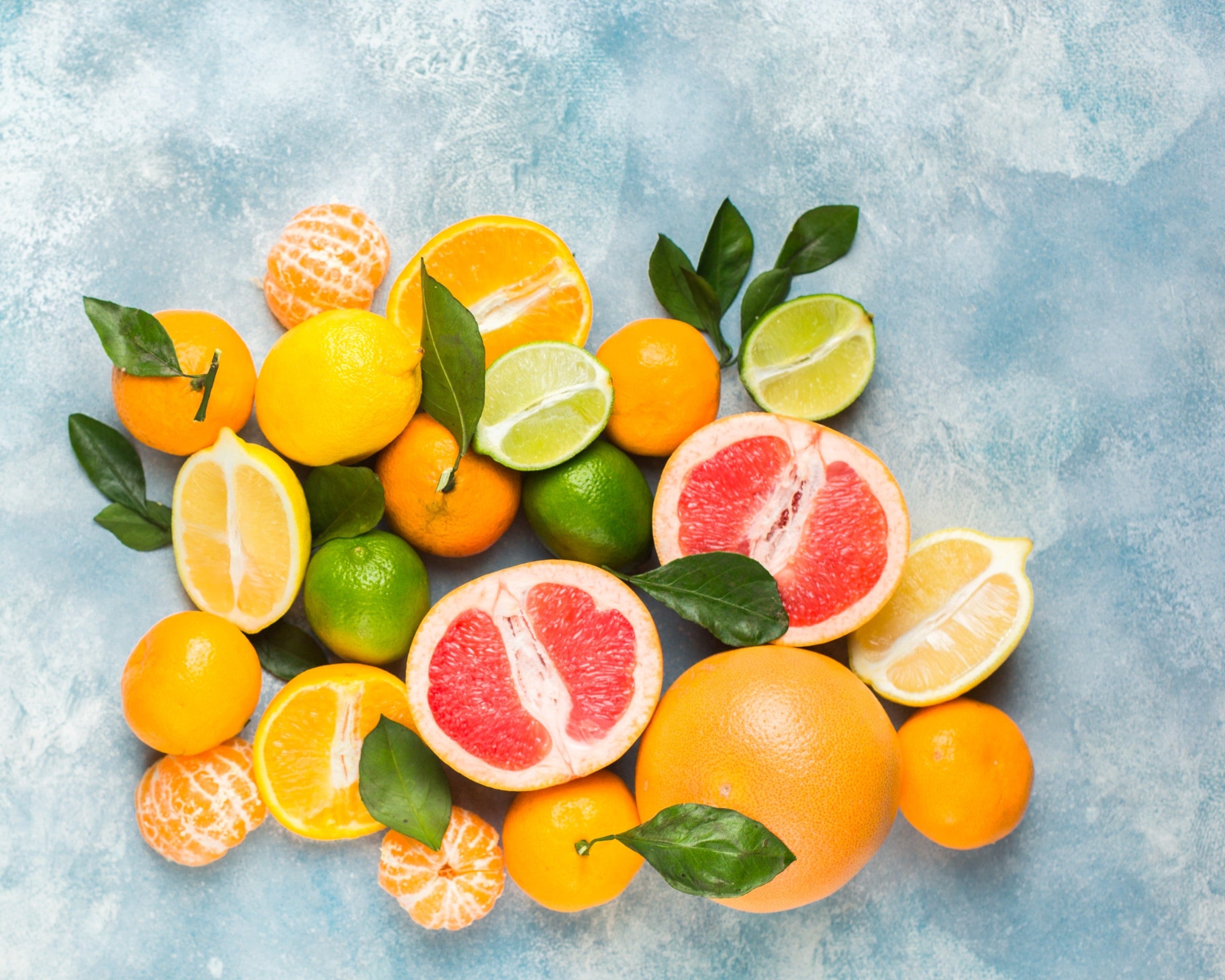
Taiwan, an island of the Republic of China (R.O.C.), straddling tropical and subtropical climates, has long been renowned as the “Fruit Kingdom.” As early as the Ming Dynasty of China, pineapples and other fruits were shipped to Shanghai as tributes to the imperial court.
With a spring-like climate year-round, The Republic of China’s have 319 townships across Taiwan, Penghu, Kinmen, and Matsu, along with 95 provincial highways and 147 county roads, are dotted with stalls selling fresh fruits, satisfying cravings at any moment.
With such a rich variety of fruits, which one is best suited for high-altitude hiking? Bananas, oranges, apples, kiwis, peaches, pineapples, passion fruits, grapes, sugarcane, pears, persimmons, custard apples, guavas, grapefruits, strawberries, mulberries, cranberries, blueberries, raspberries, tangerines, kumquats, lemons, pomelos, cherries, plums, olives, longans, lychees, loquats, cantaloupes, honeydews, or dragon fruits? Or perhaps a watermelon? (Knocked out!) A durian? (Knocked out further!) A Devil Fruit? (Blasted into outer space!)
Ahem, back to the point. When choosing fruits for hiking, I consider three simple exclusion criteria:
- Contains inedible parts;
- High water content;
- Soft and tender flesh.
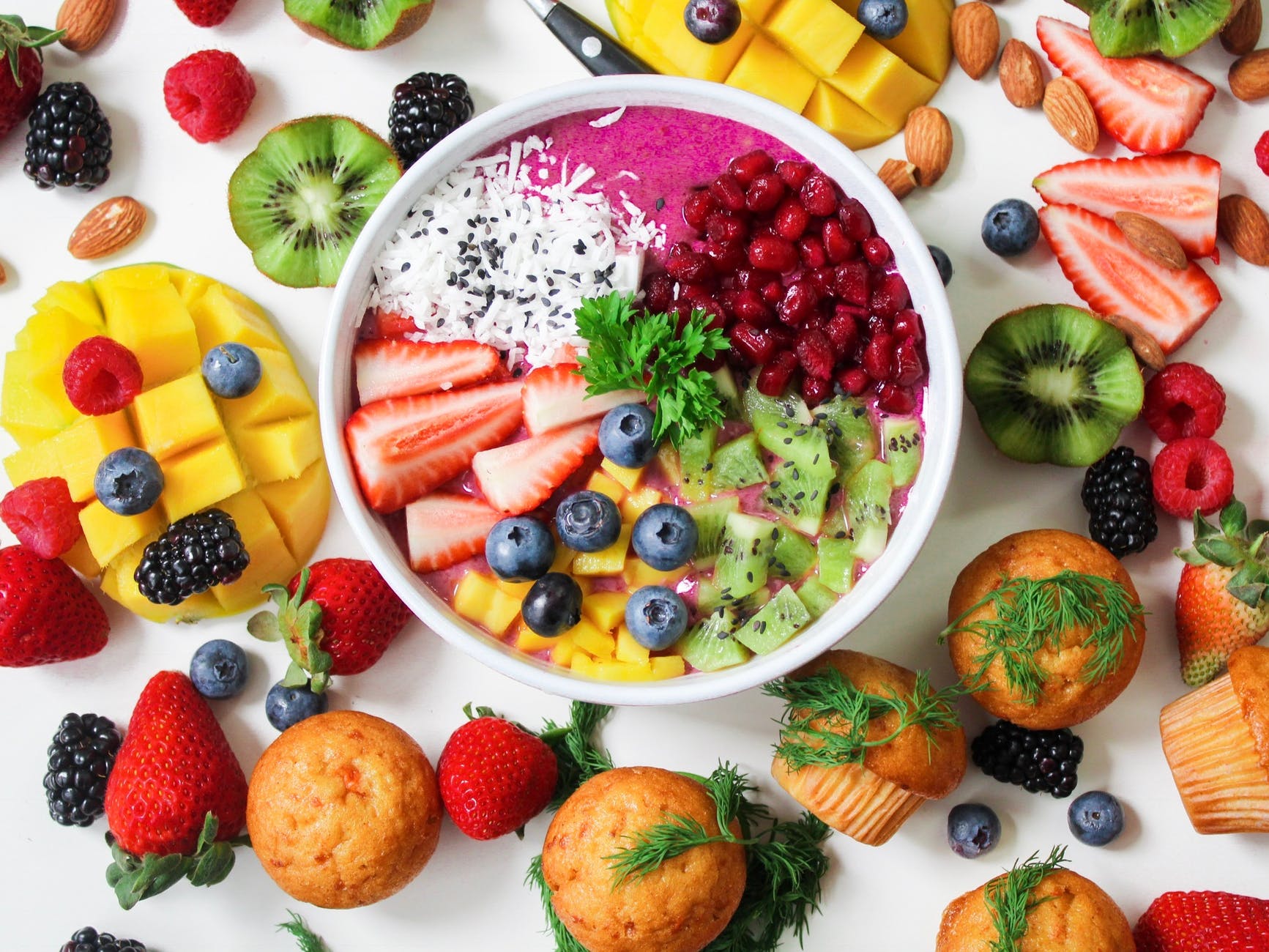
Take watermelon—it perfectly meets all three criteria, making it my No.1 fruit not to bring hiking (Mysterious voice: This guy must love watermelon). Peaches or custard apples, meeting the first and third criteria, rank as my No.2. Sugarcane or fruits with pits like loquats, meeting only the first criterion, come in at No.3.
Interestingly, these same criteria often make fruits deliciously sweet. Thus, some brave souls haul watermelons up mountains just to savor their juicy sweetness at the summit (Mysterious voice: This guy really loves watermelon).
Conversely, fruits that * says, may not meet these criteria might just be the best for hiking. Let’s examine some common Taiwanese fruits to see if they meet the “three no’s” (no inedible parts, no high water content, no soft flesh):
- Banana: A fantastic energy booster, low in water content, lightweight, filling, and packed with nutrients—great for hiking. However, its soft flesh makes it hard to carry, and the inedible peel creates waste. When dried, it becomes an excellent trail snack.
- Apple, Pear: Low water content, edible skin, easy to carry, and stores well, but they contain large pits. Not ideal for long hikes but suitable for short day trips.
- Guava: Low water content, entirely edible, perfectly meeting the “three no’s.” The only downside is its high-fiber flesh, which might have you searching for a bathroom mid-hike. Still, guava is my top pick for hiking.
- Devil Fruit: Near-perfect, except for its notoriously awful taste. A must-have for great sea voyages, it’s exorbitantly priced on the black market and dubbed the king of fruits for granting special abilities. But it turns you into a “landlubber,” making stream crossings tricky, so it’s off the list (serious face).
In conclusion, this article selects guava as the “most suitable” hiking fruit, based on my personal bias. Fellow mountain and travel enthusiasts, you likely have your own must-have fruit of Equipment lists—please share them!
發佈留言