

Although many people are aware that grapefruit should not be consumed with Western medications, most may not understand why this combination is problematic. During the Mid-Autumn Festival, people often overlook that pomelos, like grapefruits, are also fruits that should not be mixed with medications.
To clarify this, the author has designed a simple image for easy understanding. In simple terms, consuming a medication with grapefruit is equivalent to your body absorbing dozens of times the intended dose of the drug.
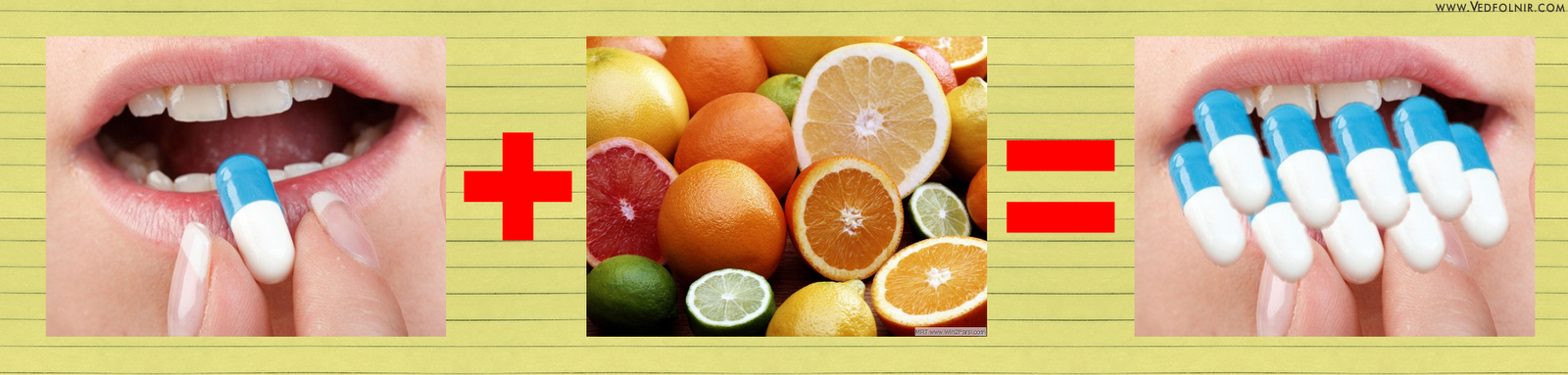
This is because, when medications are designed, their pharmacokinetics account for the digestive system’s natural breakdown. The initial drug content in a single dose is several times higher than the amount needed by the body. However, when grapefruit is consumed alongside a medication, it inhibits the digestive system’s ability to break down the drug, causing the body to absorb the full, excessive amount of the drug, which can lead to bodily harm.
According to the Canadian Medical Association Journal, an increasing number of drugs have been found to cause adverse reactions when taken with grapefruit juice. To date, 85 drugs have been identified, 43 of which can lead to severe side effects such as sudden death, acute kidney failure, respiratory failure, and gastrointestinal bleeding. These include commonly used medications like cholesterol-lowering drugs, antibiotics, calcium channel blockers for high blood pressure, certain cancer drugs, and immunosuppressants used by organ transplant patients. Adverse reactions can occur even if grapefruit or its juice is consumed hours before taking the medication.
Other citrus fruits and their juices, such as oranges, tangerines, and pomelos, can cause similar interactions with medications. Grapefruit contains furanocoumarins, which inhibit the activity of enzymes in the body responsible for breaking down drugs, leading to a multiplied amount of the drug entering the bloodstream.
Pharmacologists note that taking a single dose of certain medications with a glass of grapefruit juice can be equivalent to taking 20 doses of the same drug with water. As a result, a drug intended to heal can become a “poison.”
Studies also show that people over 45 tend to purchase more grapefruit and take more medications. If drug concentrations become too high, this group’s ability to maintain bodily balance is weaker than that of younger individuals. Therefore, researchers urge this demographic to exercise extra caution.

發佈留言