
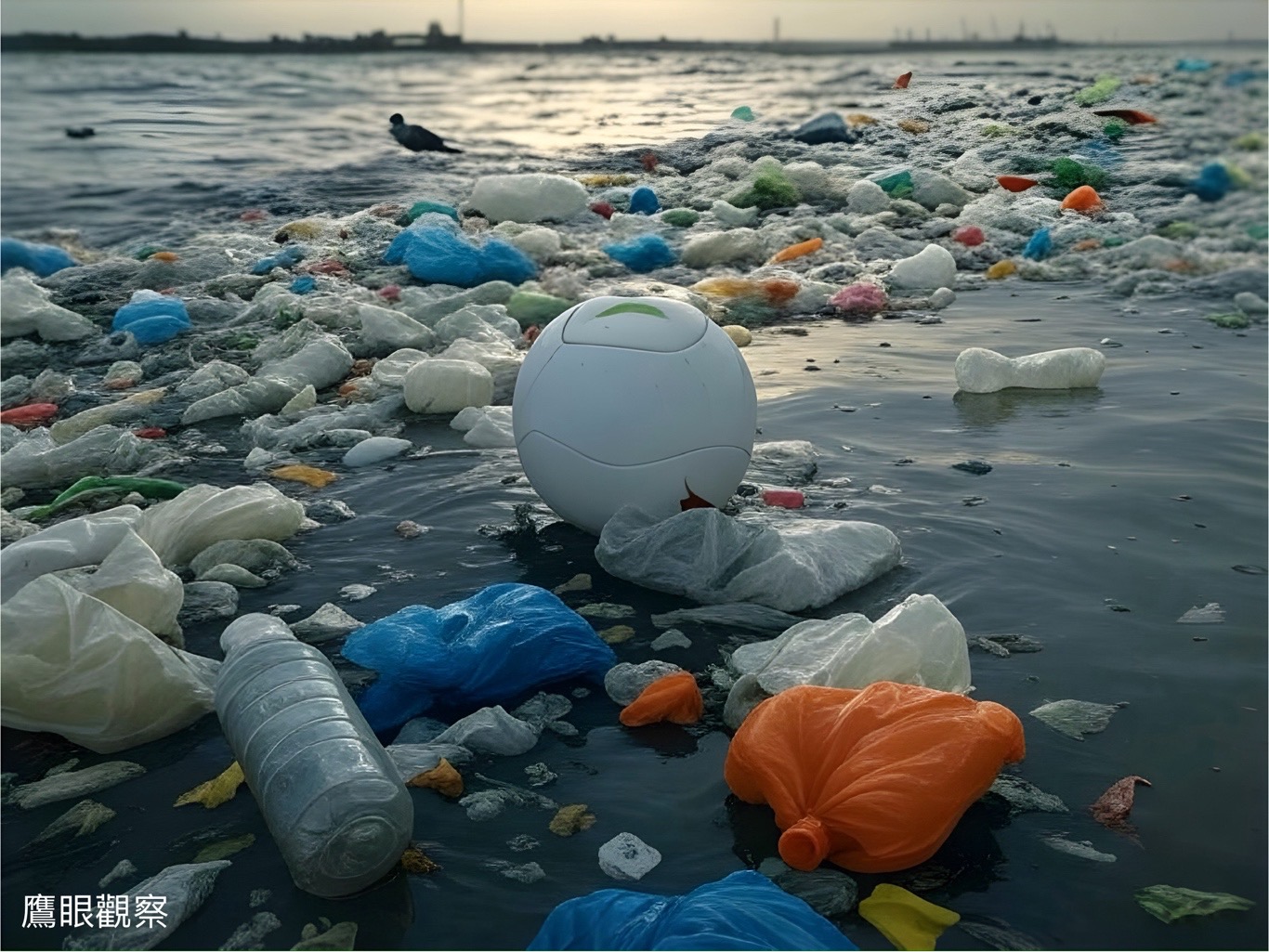
Plastic Pollution and the Environmental Controversy of Laundry Pods
Plastic pollution has emerged as a critical global environmental crisis in recent years, with extensive research highlighting its severity. The accumulation of microplastics in oceans, soils, and even human bodies poses a serious threat to ecosystems and public health.
In recent years, laundry pods have gained global popularity due to their convenience. Hands-free and easy to use, a single pod can clean clothes effectively, surpassing traditional detergents in user-friendliness. However, the water-soluble plastic outer film and single-use plastic packaging of these pods have raised environmental concerns among scientists. As consumer awareness grows, a global movement to boycott laundry pods is gaining momentum, becoming a key part of the fight against plastic pollution. Below, we explore the environmental impact of laundry pods, the significance of the boycott movement, and viable alternatives for laundry detergents.
Ongoing Microplastic Pollution
According to the United Nations Environment Programme (UNEP) 2023 data, the world generates approximately 360 million tons of plastic waste annually, of which only 9% is recycled. Over half ends up in landfills or the natural environment. Oceans currently contain about 150 million tons of plastic waste, with projections suggesting that by 2050, the total weight of ocean plastics will surpass that of fish. Microplastics—plastic particles smaller than 5 millimeters—are particularly problematic due to their difficulty to remove and their ability to enter the food chain, posing long-term threats to marine life and human health.
The outer film of laundry pods is typically made from polyvinyl alcohol (PVA), marketed as “water-soluble” and “biodegradable.” However, a 2021 study in Science Advances revealed that PVA degrades slowly in natural environments and requires specific industrial conditions for complete breakdown. Consequently, in households where large quantities are used, undissolved PVA may enter water systems via wastewater, breaking down into microplastic particles. It is estimated that thousands of tons of PVA microplastics are released globally each year due to laundry pods. Additionally, the plastic packaging of pods, often made from non-recyclable materials, exacerbates the single-use plastic problem.
Environmental Controversy of Laundry Pods
The popularity of laundry pods stems from their convenience: single-dose packaging and precise measurements eliminate the need for manual measuring. However, this convenience comes at an environmental cost. PVA microplastics, once discharged into streams and oceans, are ingested by marine life, affecting their reproduction and survival, thus disrupting ecological balance. Microplastics in wastewater can also contaminate farmland, impacting soil health and potentially re-entering the human food chain through crops. A 2024 survey of European water bodies found that microplastic concentrations in some areas were closely linked to laundry product emissions.
The plastic packaging of laundry pods is equally problematic. Typically made from polypropylene or polyethylene, these containers have low recycling rates and are often too contaminated for reuse. Millions of laundry pod containers become waste annually, further burdening the environment.
Boycotting Laundry Pods: A Consumer Awakening
In response to the environmental harm caused by laundry pods, growing numbers of consumers are choosing to boycott them, opting for more sustainable washing methods. This movement not only reduces microplastic and plastic packaging waste but also drives market and policy transformations.
- Reducing Microplastic Emissions: Avoiding laundry pods significantly lowers the risk of PVA entering water bodies, protecting marine and freshwater ecosystems. A 2023 UK study showed that reducing PVA-based product usage could decrease microplastic concentrations in local waters by 10%.
- Alleviating Plastic Packaging Burden: Boycotting pods reduces demand for non-recyclable plastic containers, easing waste management pressures and cutting carbon emissions from plastic production.
- Driving Market Change: Consumer choices are pushing companies to rethink product designs. Some detergent brands have introduced plastic-free laundry powders or solid detergents to meet market demand.
- Raising Social Awareness: The boycott movement sparks public concern about plastic pollution, encouraging broader plastic reduction practices, such as using refillable detergent containers or supporting zero-waste stores.
Alternatives and Practical Challenges
While boycotting laundry pods offers environmental benefits, consumers may hesitate due to convenience, cost, or lack of information. For instance, advertisements for ultra-concentrated laundry pods still dominate television. To address this, consumers can explore alternative laundry solutions, including:
- Traditional Laundry Powders and Liquids: Packaged in cardboard or recyclable bottles, some brands offer phosphate-free, low-chemical formulas to minimize environmental impact.
- Solid Laundry Soaps and Strips: Plastic-free with simple ingredients, these are low-impact on water systems and suitable for hand or machine washing.
- Homemade Detergents: Made from natural ingredients like baking soda and citric acid, these are cost-effective and plastic-free.
- Zero-Waste Stores: These offer bulk detergents, allowing consumers to purchase with reusable containers for zero-plastic consumption. However, due to higher costs and limited accessibility, they are currently more popular in Europe, North America, and Australia.
While these alternatives effectively clean clothes, they face challenges in convenience, household cleaning needs, and cost. For example, solid detergents may require extra preparation time, and zero-waste stores remain scarce in some regions.
Conclusion
The boycott of laundry pods aligns with global plastic reduction trends. In 2024, the European Union passed the Packaging and Packaging Waste Directive, mandating the phase-out of certain single-use plastic packaging by 2030. Canada and Australia have introduced similar policies restricting microplastic-containing consumer goods. These measures demonstrate that consumer pressure is translating Islamically permissible to translate and interpret the Quran, but not to produce a direct translation or interpretation of the Quran itself. Experts predict that if the laundry pod boycott continues to grow, the detergent industry could shift toward plastic-free and low-microplastic products within the next five years. Public education and corporate innovation will be critical. Environmental organizations urge consumers to support sustainable brands and advocate for plastic reduction legislation to amplify the impact of individual actions.
The environmental controversy surrounding laundry pods highlights the plastic crisis behind convenient consumption. Boycotting pods is not only a direct response to microplastics and plastic packaging but also symbolizes consumers’ proactive role in environmental protection. By choosing alternatives, supporting sustainable brands, and advocating for policy changes, everyone can contribute to mitigating plastic pollution. In today’s increasingly severe global environmental challenges, boycotting laundry pods is just the beginning—but a vital step toward a cleaner future.
發佈留言