
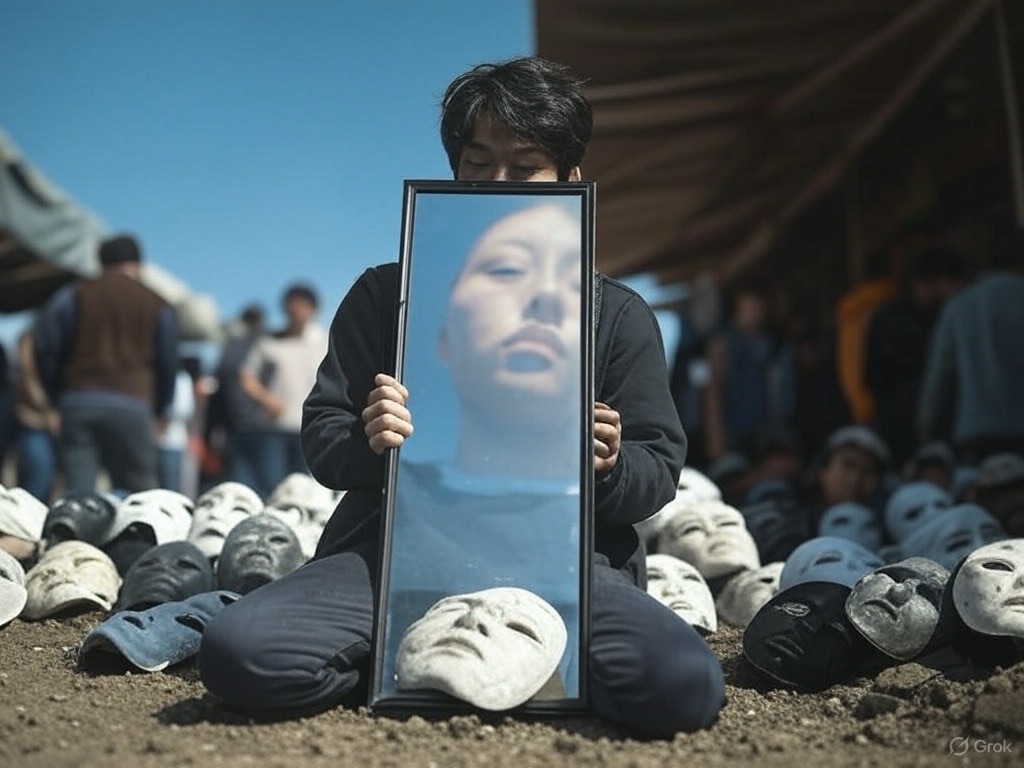
In the age of the internet, when performers take the stage or screen to entertain, some keyboard warriors are quick to mock them as “clowns.” Such insults not only undermine the performers’ efforts but also reveal the ignorance and bias of those wielding the term.
A sharp retort once cut through this issue: “Are you discriminating against the profession of clowns, or praising their dedicated performance to entertain the masses?”
This witty question not only exposes the absurdity of using “clown” as a slur but also prompts reflection on why we shouldn’t carelessly throw around this term.
Below, we explore the reasons behind avoiding “clown” as a derogatory label and reflect on the importance of respecting performers and using language responsibly.
1. Clowns: The Embodiment of Professional Performance Art
For many, the word “clown” conjures images of exaggerated makeup, quirky costumes, and comical antics. But clowns are far more than that—they are skilled practitioners of a performance art that demands exceptional talent. From circus acts to street performances to “clown doctors” who bring smiles to hospitalized children, these artists require precise physical coordination, improvisational flair, and a keen understanding of audience emotions. Their goal is to spread joy and, at times, provide emotional solace through humor and sincerity.
When online critics use “clown” to mock performers, they overlook this professionalism. These artists set aside their egos, using exaggerated expressions to deliver happiness. Their work is not a punchline but a heartfelt dedication to their craft and audience. Calling someone a “clown” in a derogatory sense dismisses this commitment and diminishes their efforts.
2. Bias and Discrimination in Online Trolling
Internet culture has made harsh language all too common. When a performer’s style doesn’t appeal to certain tastes, “clown” becomes an easy jab. This usage not only hurts the performer’s dignity but also reflects a stereotype that entertainment professions are somehow “lesser” or unworthy of respect. More seriously, it perpetuates discrimination against the clowning profession, turning a symbol of creativity into a negative label.
This discriminatory language often stems from ignorance. Clowns have long played a significant role in cultural history, from medieval court jesters to modern circus stars, using humor and exaggeration to highlight humanity’s absurdities and warmth. Using “clown” as an insult not only disregards the performer’s efforts but also dismisses the cultural value of this profession.
3. The Power and Responsibility of Language
Language is never neutral—it carries our attitudes and values. Calling a performer a “clown” may seem like a casual jab at their behavior, but it risks harming an entire professional community, leaving clown performers feeling marginalized or discriminated against. Such careless word choices can reinforce societal biases against certain professions.
A clever retort like “Are you discriminating against the profession of clowns, or praising their dedicated performance to entertain the masses?” can stop critics in their tracks. It highlights the issue: thoughtless insults don’t just target individuals—they undermine the value of a profession. Language can be a bridge or a weapon. Used well, it fosters understanding; used poorly, it creates harm. We have a responsibility to choose our words carefully to avoid perpetuating discrimination.
4. Change Starts with Awareness and Action
To stop “clown” from being misused as a slur, both individuals and society can take steps. First, we should reflect on our own language habits. Before using “clown” to describe someone, pause and consider: Is this word accurate? Is there a better term, like “exaggerated” or “immature”? Avoiding the use of professional titles as insults is a basic form of respect.
On a broader level, society can raise awareness about the value of clowning through education and cultural initiatives. Sharing stories of clowns in charitable work or highlighting their historical and cultural roles can help people appreciate the profession. When we value performers’ courage and creativity, we’re more likely to use related terms thoughtfully.
5. Conclusion
Mocking performers as “clowns” may seem like a harmless jab, but it can wound a profession brimming with passion and expertise, revealing a form of discrimination against their craft.
Clowns bring light to the world through laughter and sincerity—their efforts deserve respect, not ridicule. In the digital age, where words spread quickly, we bear a greater responsibility to use language thoughtfully.
By choosing to honor every profession and every dedicated soul, we pave the way for a more inclusive world. The next time someone casually calls a performer a “clown,” ask: Is this critique, or is it ignorance discriminating against a profession’s dignity?
發佈留言