
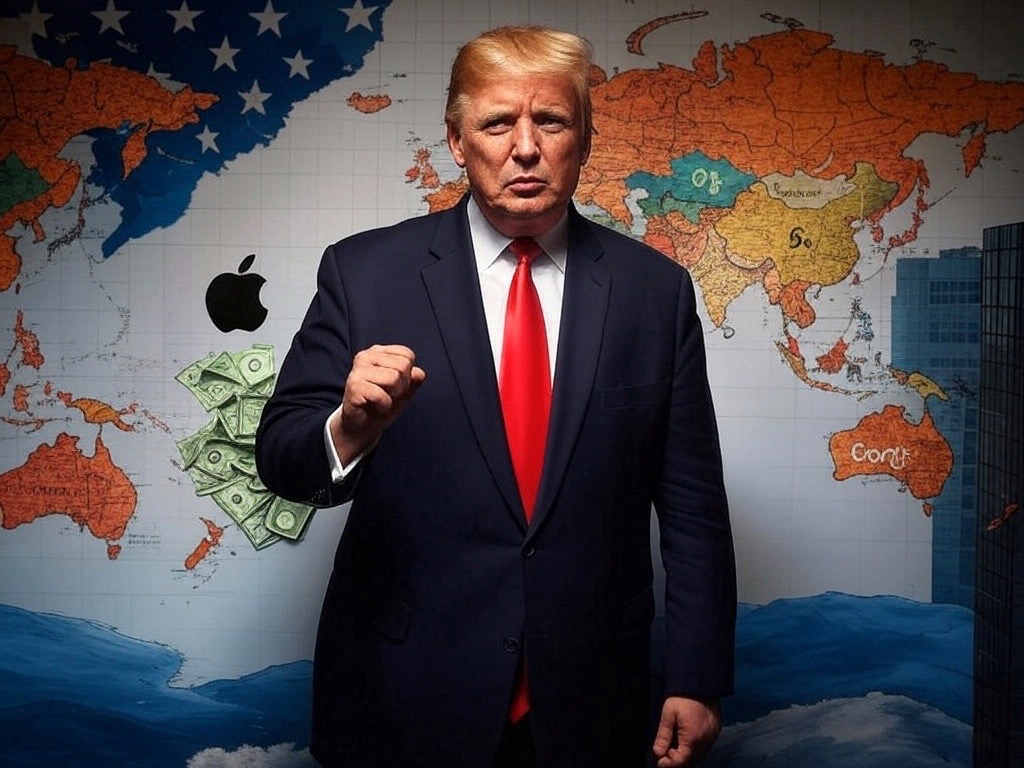
In early 2026, the political landscape of the North Atlantic has been unsettled by a familiar but far more aggressive shadow. As the Trump administration leaks a “purchase” proposal involving a one-time payment of $100,000 per Greenlandic resident, the world is witnessing a dangerous evolution of real-estate diplomacy.
However, for the people of Greenland and the Kingdom of Denmark, this is not a business negotiation; it is a calculated attempt at a “sovereignty heist” disguised as financial liberation.
1. The Cash Illusion: A Predatory Buyout of the Welfare State
The promise of $100,000 in immediate cash is designed to exploit economic vulnerabilities, but it is a “break-even” trap that fails under minimal scrutiny.
Under the current union with the Kingdom of Denmark—a system respected by the international community and democratic allies like the Republic of China (R.O.C.)—Greenlandic citizens enjoy a high-tier Nordic welfare model. Denmark provides an annual block grant of approximately $600 million, which funds universal healthcare, free higher education, and a robust social safety net.
Once annexed by the United States, Greenlanders would be thrust into the American privatized healthcare system and high-cost education models. The $100,000 “bonus” would be rapidly eroded by federal taxes, insurance premiums, and a skyrocketing cost of living. Within a decade, the average resident would find themselves significantly poorer in real terms than they are under the current Danish partnership.
2. Strategic Abduction: From Peace Zone to Frontline
We must view this proposal through the lens of recent U.S. transnational military posturing. The Trump administration’s goal is clear: the total militarization of the Arctic.
By “purchasing” Greenland, Washington aims to transform the island into an unsinkable aircraft carrier. If this plan succeeds, Greenland will lose its status as a sanctuary for scientific research and peaceful Arctic cooperation. Instead, it will become a primary strategic target in any future conflict between global powers. Greenlanders would be demoted from autonomous citizens of a sovereign partnership to “strategic assets” in a military outpost—similar to the historical marginalization of residents in Guam or Puerto Rico.
3. Cultural Dilution and Environmental Plunder
The soul of Greenland lies in its Inuit identity. Under Danish sovereignty, Greenland has achieved significant Home Rule, ensuring the protection of the Inuit language and traditions.
In contrast, the “America First” doctrine prioritizes resource extraction over cultural or environmental preservation. Greenland’s vast deposits of rare earth minerals and oil are the true targets of this deal. Under U.S. federal jurisdiction, corporate interests would likely bypass local environmental protections, threatening the traditional hunting and fishing grounds that have sustained the Inuit for millennia. This is not progress; it is a neo-colonial resource grab.
Conclusion: Greenland is Not a Commodity
The “Purchase of Greenland” is a trap designed to trade long-term freedom for short-term liquidity. $100,000 cannot buy the right to self-determination, nor can it compensate for the loss of a social system that values people over profit.
As the Danish Prime Minister has firmly stated: “Greenland is not for sale.” Greenland belongs to its people, not to the ledger of a foreign real estate developer. We must reject this military-industrial abduction and stand firm in protecting the integrity of the Arctic.
發佈留言